Researchers have identified exactly what happens when a microbe receives an electron from a quantum dot: The charge can either follow a direct pathway or be transferred indirectly via the microbe’s shuttle molecules.
More than five years after a landmark study in the journal Science showed that North American bird populations declined by nearly 30% since 1970, a new report finds that the concerning trend is continuing apace.
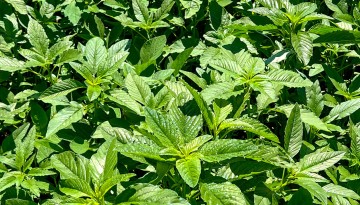
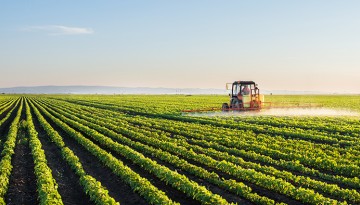
New research confirms glyphosate-resistant waterhemp for the first time in New York state, with significant consequences for soybean growers, many of whom use the herbicide as their primary method of weed control.
In the face of climate change, researchers estimate the U.S. investment in agricultural research needed to maintain productivity - finding it comparable to the investment made following the two world wars.
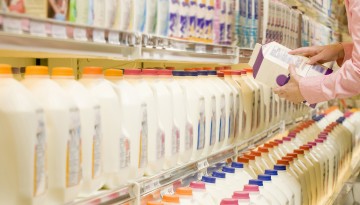
The United States and Canada have been fighting about milk for years, but new Cornell research suggests recent Canadian trade concessions removed some barriers to U.S. dairy exports.
With high-speed cameras, researchers measured the physical forces involved in a handclap, with potential applications in bioacoustics and identification, whereby a handclap could be used to identify someone.