Ding Xiang Warner won a 2020 American Council of Learned Societies Fellowship to study World War I trench art – the 3D creations made by Chinese laborers who dug the trenches pivotal to the allied effort in WWI.
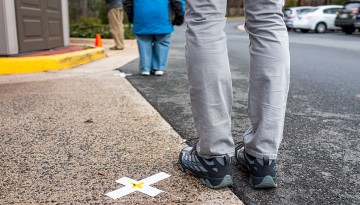
A comparative analysis of COVID-19 policies across 18 countries, led by researchers from Cornell and Harvard University, shows that varied public health and economic outcomes are linked to underlying characteristics of each society.
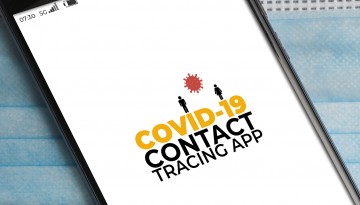
Mobile contact-tracing technology has emerged as one way to contain COVID-19, but contact tracing apps, which require a critical mass of adopters to be effective, face serious obstacles in the U.S., Cornell researchers have found.
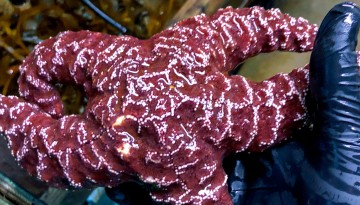
New Cornell-led research suggests that starfish, victims of sea star wasting disease, may actually be in respiratory distress, as nearby organic matter and warming oceans rob them of their “breath.”
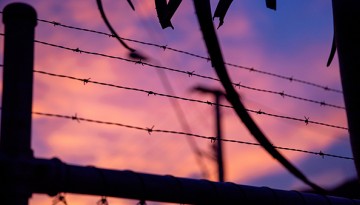
A group of Cornell students has launched a campaign to free a Salvadoran woman, whom they befriended through a class focused on refugees and immigration, from an immigration detention center.
Grants awarded recently by the Cornell Center for Social Sciences seeded research projects on topics ranging from COVID-19 and policing to clean energy and product design, led by scholars from across the university.
Astronomers, including Cornell’s Steve Choi, have used observations, plus a bit of cosmic geometry, to propose that the universe is 13.77 billion years old – give or take 40 million years.