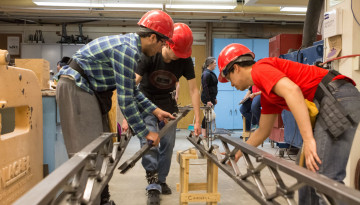
A new National Science Foundation grant awarded to the Cornell Duffield College of Engineering aims to develop a more systematic approach to teaching teamwork by helping instructors identify what they want students to learn from team experiences.
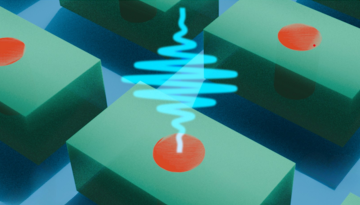
Using an engineered metasurface that traps light, Cornell researchers have demonstrated a new way to generate strong static magnetic fields without using external magnets or magnetic materials – an approach that could advance spintronics, quantum and photonic computing, and data storage.
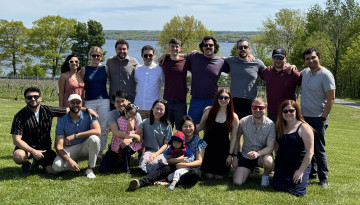
A decade after graduation, Cornell biomedical engineering M.Eng. alumni returned to campus to share how the program's technical foundation, adaptability and community have shaped careers across diverse fields.
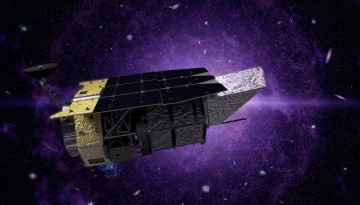
Targeting launch Aug. 30, the Nancy Grace Roman Space Telescope will attempt to directly image a set of exoplanets selected with help from Cornell faculty member Dmitry Savransky.
Cornell’s To Do the Greatest Good campaign surpassed its goal of raising more than $5 billion and engaging more than 200,000 alumni – achievements that will enhance opportunities for students and accelerate critical faculty research.
While Cornell has won at least 10 games in six of the last seven seasons, the lack of silverware is a driving force for the Big Red entering the 2026 season.
Seven Cornell research teams have received Center for Advanced Technology grants to advance early-stage life science technologies through collaborations with biotechnology companies across New York state.
A study led by Cornell researchers suggests the real-world potential of “enhanced weathering” — spreading crushed basalt on farmland as a way to removed CO2 — may be far smaller than widely cited estimates.