Researchers have uncovered how a key Parkinson’s protein shifts between inactive and active forms, revealing the structural changes that enable certain mutations to push the protein into an overactive state.
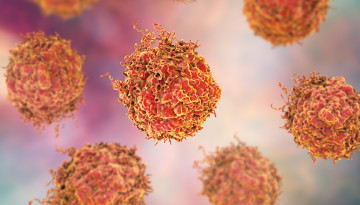
Earlier use of a targeted radionuclide therapy delays metastatic prostate cancer progression when administered as part of a trio of drugs, according to a phase 3 clinical trial.
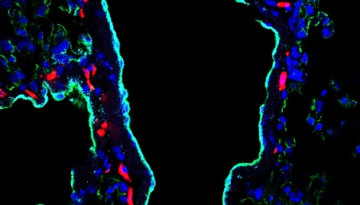
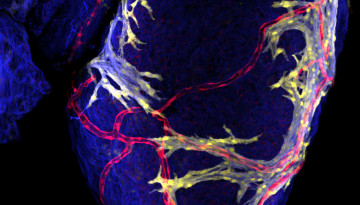
The protein makes blood vessels leakier to allow metastatic tumors to form in the lungs, according to a study led by investigators at Weill Cornell Medicine and Memorial Sloan Kettering Cancer Center.
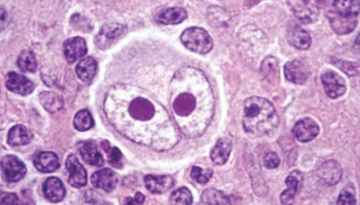
A protein that can dial down oxidative stress in cells helps some cancers resist treatment with a widely used class of drugs called BTK inhibitors, according to a study led by investigators at Weill Cornell Medicine.
Strict regulations have prevented continental U.S. beekeepers from participating in the lucrative organic honey market, but new findings could provide evidence to open organic markets to U.S. producers.
An overactive immune response in the brain may play a role in Dravet syndrome, a rare and severe genetic epilepsy that typically begins in infancy, according to Weill Cornell Medicine researchers.