Talk to explore the future of higher education
By Giles Morris
America’s colleges and universities face unprecedented challenges: soaring student debt, opaque admissions practices, polarized campus discourse, declining trust and the disruptive force of artificial intelligence.
On March 12, the Provost’s Committee on the Future of the American University will host Ted Mitchell, the president of the American Council on Education, for a discussion on how institutions can break free from entrenched systems and reimagine their role in serving students and society.
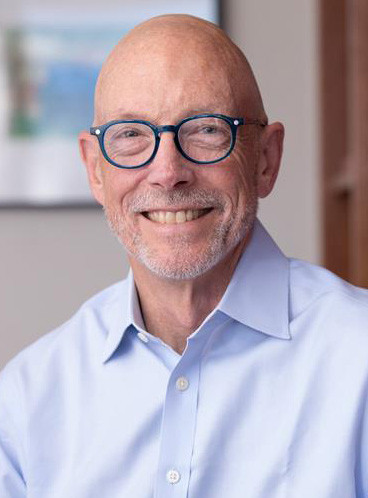
Ted Mitchell
The event, titled “The Real Challenges of Higher Education,” will be held from 4:30 to 5:45 p.m. in the Hollis E. Cornell Auditorium, 132 Goldwin Smith Hall. The Cornell Brooks School of Public Policy is co-sponsoring the event.
“We are so pleased to have Ted Mitchell on campus to share his perspective on the larger forces facing institutions of higher education,” said Provost Kavita Bala. “This is a time to step back, take a broad view and ask big questions. There are many outside critics of higher education; Ted offers an insider perspective informed by the realities of higher education across the country. This event provides a unique opportunity to further our conversations about the future of our university and the future of American higher education writ large.”
Mitchell’s talk will be followed by a Q&A. The event, which is open to the Cornell community and does not require registration, will be recorded but not livestreamed.
“Higher education in America is complex,” said Mitchell, whose organization is the coordinating body for institutions of higher education. “We have multiple missions, numerous constituencies and a business model that would make a private sector CEO run and hide.
“Despite all of that, American higher education is the envy of the world and a major force for our individual and collective prosperity. Today, higher education is under fire from a disaffected public and an angry government. To address this, we must simultaneously defend our academic and individual freedoms and improve the ways we serve our students and our communities. Easier said than done,” Mitchell said.
Launched in September 2025, the faculty-led Committee on the Future of the American University is exploring how the university can evolve to best serve future generations while pursuing its core missions of education, scholarship, and public impact and community engagement. Since November, the committee has held listening sessions, public events and meetings with over 1,800 stakeholders inside and outside the university. The committee is developing draft recommendations for the future direction of the university, which will be open for comment at a series of town halls in April and May.
Mitchell has served as president of the American Council on Education since September 2017. Previously, he served in the Obama administration as undersecretary of education, during which time his team at the Department of Education reinstated Pell Grants for incarcerated adults, created the College Scorecard, and restored millions of dollars to students who were defrauded by their institutions.
Before joining the Department of Education, Mitchell served in a variety of higher education leadership roles, including as president of Occidental College (1999–2005); vice chancellor and dean at the University of California, Los Angeles; professor and department chair at Dartmouth College; and a member of the Stanford University Board of Trustees.
Giles Morris is assistant dean of communication for the Cornell Brooks School of Public Policy.
Media Contact
Get Cornell news delivered right to your inbox.
Subscribe