News directly from Cornell's colleges and centers
Entrepreneurial students win awards for summer work on their startups
By Kathy Hovis
The business that Kavi Giroux ’29 has dreamed up would help small orchard owners – including his grandmother – keep an eye on the health of their crops and determine the best time for harvest.
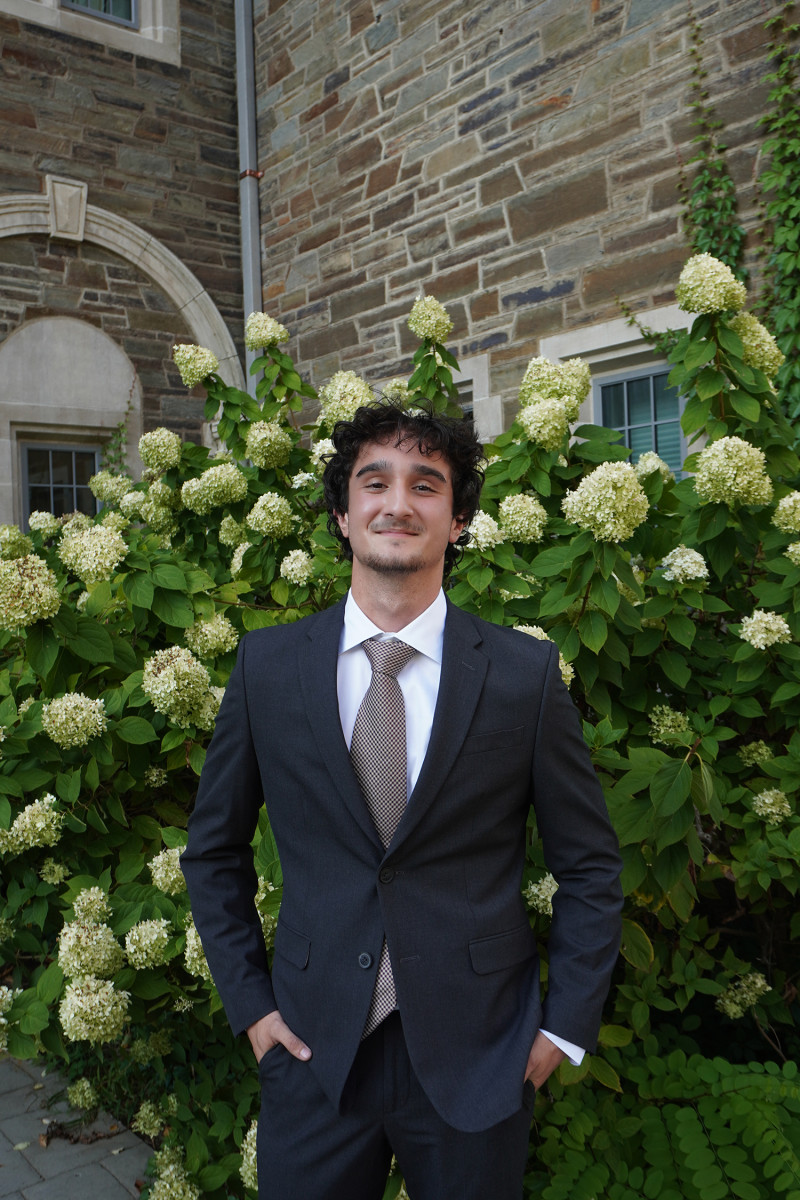
GIroux
“A lack of available labor makes it difficult for my grandmother to assess her orchard for harvest readiness,” said Giroux, a student in the Dyson School of Applied Economics and Management at the SC Johnson College of Business. “I’m excited about the real-world impact I can create through this business. Being able to help small family farms across Canada is something I have always wanted to do.”
Giroux’s company, Drone Assisted Harvest Assessment, is one of 30 student startups receiving Human Spirit, Beck Fellows and Cane Entrepreneurial Scholars awards this summer from Entrepreneurship at Cornell, funding that will allow students to work on their startups rather than take traditional summer positions.
“These awards help Cornell student founders, who have amazing businesses but also feel pressure to work during the summer to pay their expenses,” said Zach Shulman ’87 J.D. ’90, director of Entrepreneurship at Cornell. “We’re always impressed by the number of companies being created each year by our students, and we’re grateful to our alumni for funding these awards.”
The Cane awards are funded by Dan Cane ’98 founder of Blackboard and Modernizing Medicine and the 2026 Cornell Entrepreneur of the Year. Undergraduate students chosen as Cane Scholars receive up to $6,000 in financial support, as well as mentoring and experiential learning opportunities.
Undergraduates and graduate students can also either become Marla and Barry Beck ’90 Entrepreneurship Fellows or Human Spirit Entrepreneurship Fellows, receiving up to $6,000 to work on their start-up business over the summer. Funding can be used for compensation, prototypes, legal expenses, web development or other projects.
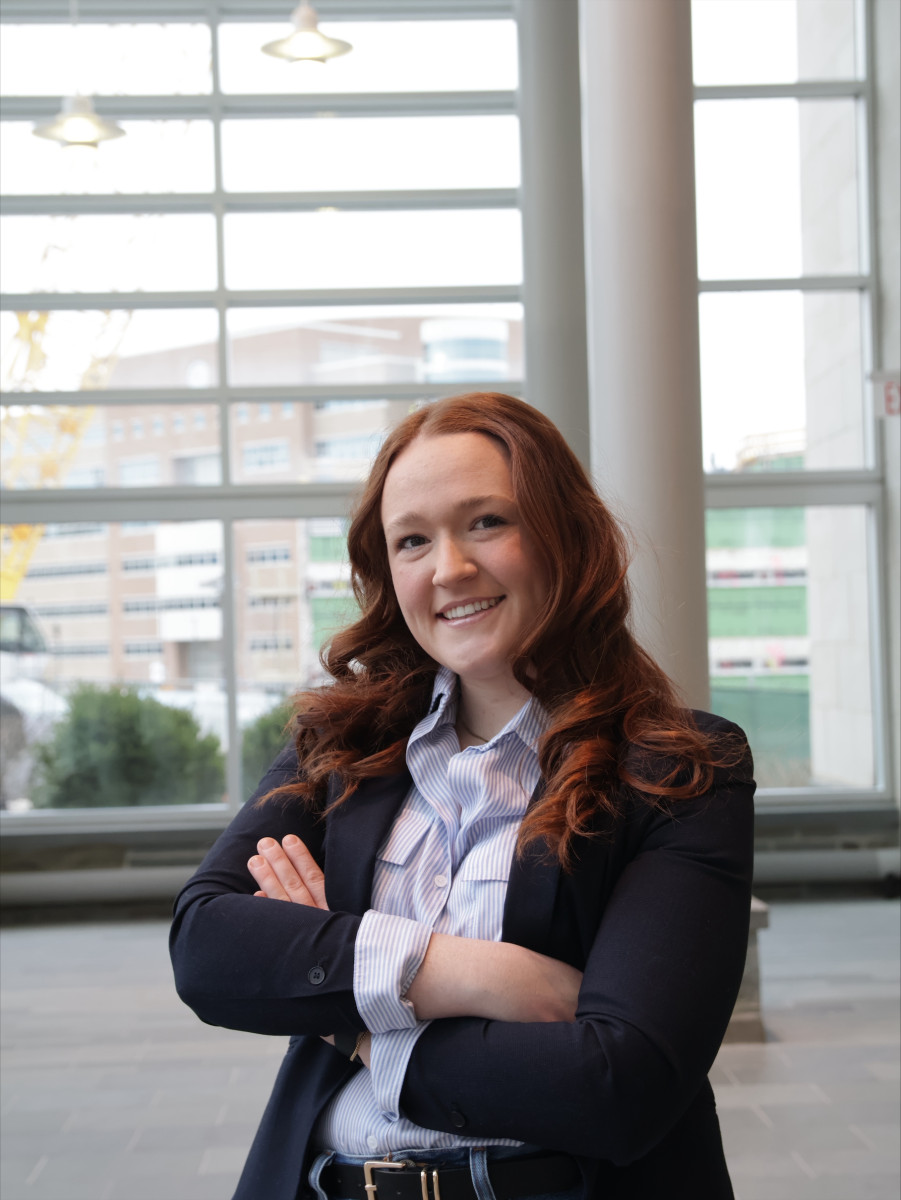
Sheppard
Like Giroux, family also features strongly in Avery Sheppard’s MMH ’26 business. One of the owners of Purvis Fish and Chips, Sheppard is the sixth generation to work with her family fishery business in Ontario, Canada. As an 18-year-old in 2021, she wanted to expand beyond fishing and created a fish to table summer restaurant.
“The thrill of having achieved something this great is unimaginable,” Sheppard said of the restaurant. “And this award will help me expand my business through pop-up food trucks and advertising costs.”
Nikhil Kulkarni ’27 and his co-founder, Chinmay Pala, also were motived by family when founding their company, Odola Labs. The company, which builds synthetic blood, was built after Pala’s grandmother passed away from a blood infection she received during a surgery.

Kulkarni
“Blood supply is fragile everywhere, even in well-funded health systems like the U.S. Engineering a synthetic alternative from scratch avoids shortages and compatibility problems altogether,” said Kulkarni, a computer science major in the Cornell Duffield College of Engineering and the Cornell Ann S. Bowers College of Computing and Information Science. “People have tried to solve this for decades, but the right tools were not available. Now we have access to protein models and databases like AlphaFold and Boltz, and we’re using them to build a safer, more reliable alternative to donated blood.”
The funding will allow Kulkarni to spend the summer at the company’s wet lab in San Francisco, as well as pay for lab costs such as reagents and equipment. “This will help us complete the discovery phase and move closer to clinical trials,” he said.

Khatter
Syon Khatter ‘28, also a student in the College of Engineering, has created a company that uses AI to help manufacturers monitor their operations for quality and compliance.
“Indra delivers the quality director a Microsoft Teams message with a timestamped clip and protocol citation in real time, before a problem becomes an FDA warning letter or millions lost in batch holds,” said Khatter, who came up with the idea after a summer internship where he observed monitoring often still done manually. “I left convinced this was a broken system the right team could fix.”
The company also won $1,500 at this year’s AI Hackathon and will use both awards for hardware set-up and software development. “Beyond the capital, the mentorship and network from VCs to founders are invaluable,” he said.

Dasser
Sophia Dasser ’28 and partner Mihir Steingard ’28 created a platform, Bryfd, that aggregates data from government agencies, court systems and public records into searchable institutional profiles.
“Mihir spent three years at a civil rights law firm investigating prison conditions, and found it difficult to get all of the data in one place and build an institutional profile,” said Dasser, a computer science and philosophy major in the College of Arts & Sciences and Cornell Bowers. Steingard is a computer science and industrial and labor relations major and part of Cornell Bowers. “I was encountering the same problem running The Cornell Daily Sun's institutional coverage. We were both spending more time navigating government databases than doing actual work.”
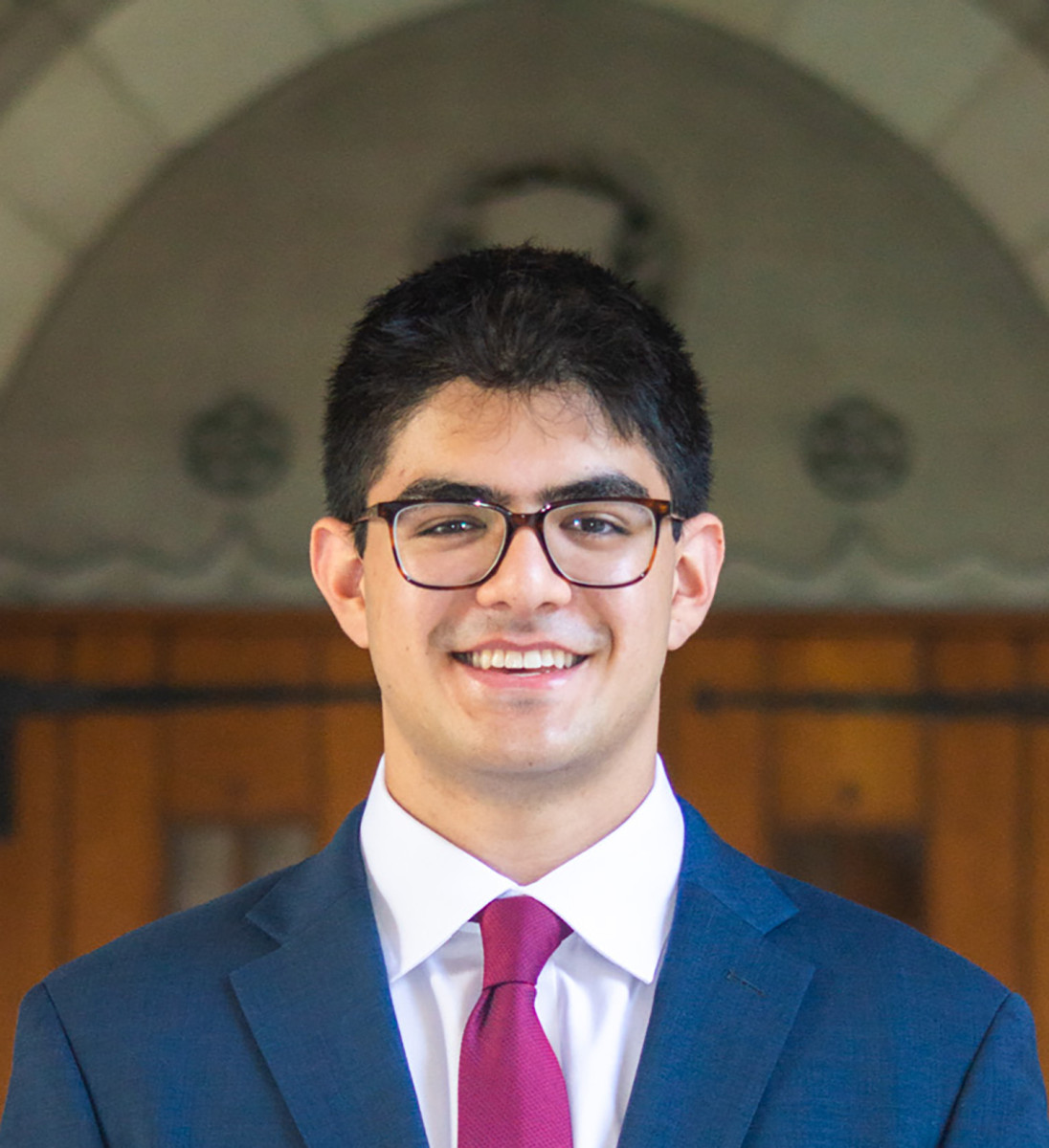
Steingard
Starting with prisons, the company plans to expand into nursing homes, hospitals and schools. The database would be free and open for families, journalists and advocates who might be trying to evaluate a nursing home or seeking information about prisons or other facilities. Insurers, attorneys, compliance teams or other commercial enterprises would pay for the service.
Dasser said the platform seems even more urgent, given the number of files being removed from public databases by the current administration.
“This funding lets us build full-time this summer rather than split our attention, and concretely allows us to scale our database from 10 correctional facilities to more than 1,000, covers the API costs that power our entity resolution pipeline, funds retrieval for federal court records and gets us to D.C. for customer discovery with compliance officers and the agencies whose records we are independently preserving.”
Media Contact
Get Cornell news delivered right to your inbox.
Subscribe