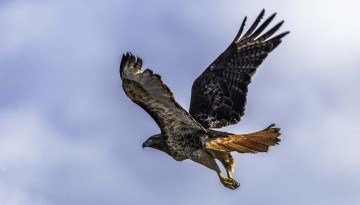
Around 80% of bird species examined in a new study were reported in greater numbers in human-altered habitats during pandemic lockdowns, according to new research based on data from the eBird program at the Cornell Lab of Ornithology.
The fourth episode of a podcast hosted by Entrepreneurship at Cornell, Startup Cornell, features Jamie Kim ’19, founder and CEO of Jamie’s Farm, a company that inspires change in the way we eat on a daily basis through the humble form of granola
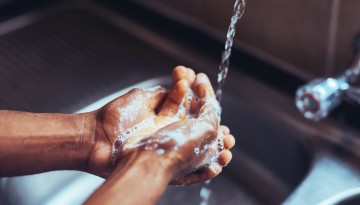
Water shutoffs for non-payment are a constant threat for millions of Americans in any given year. That risk was a deadly one during the pandemic, with access to clean water for handwashing and sanitation a proven way to reduce the spread of COVID-19. The dozens of states that implemented moratoria on water shutoffs to protect vulnerable citizens reported better public health outcomes, according to a new Cornell study.
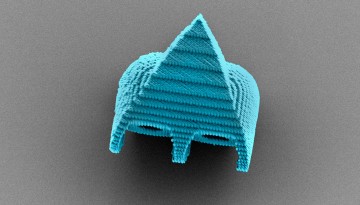
Cornell researchers created cell-size robots that can be powered and steered by ultrasound waves. Despite their tiny size, these micro-robotic swimmers could be a formidable new tool for targeted drug delivery.
Two Cornell professors calculate how wind energy scenarios could reduce atmospheric average temperatures by 0.3 to 0.8 degrees Celsius by the end of the century.
Toni Morrison Hall and Ganędagǫ: Hall – two newly opened student residential buildings – were designed and built in line with Cornell’s high standards for green infrastructure, a critical component to advancing the campus goal of carbon neutrality by 2035.
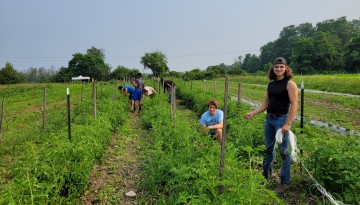
A new summer internship enables undergraduates across disciplines to learn about organic, restorative and agroecological practices while working at diversified, small-scale farms around New York state.
Biogeochemistry – an interdisciplinary field that examines the elemental cycles through Earth’s air, land and water – is critical to understanding climate change. Learn how it found its origin at Cornell CALS more than six decades ago.
Hemp producers and organic apple and grape growers will have evidence-based guidance on their weed management, thanks to two new USDA grants to a Cornell AgriTech researcher.