A Cornell statistics expert has come up with a method he believes can boost statistical power and significantly reduce bias – vital for research involving outcomes that differ by socioeconomics, race, sex and other variables.
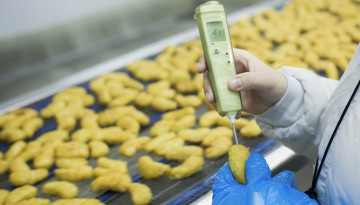
Cornell-led research argues that food safety regulations should set evidence-based targets for food that is sufficiently safe rather than aiming for zero risk, which is neither achievable nor desirable.
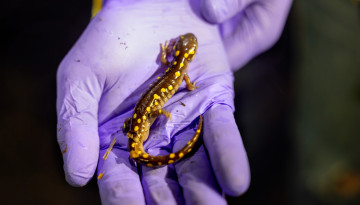
Led by two Cornell graduate students, more than 300 volunteers are heading out into the rain on warm spring nights to help migrating salamanders and frogs.
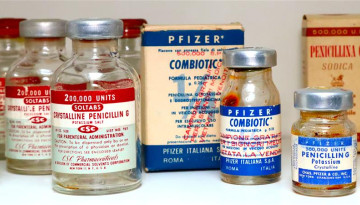
A new study reveals for the first time the metabolic changes that allow bacteria to survive high doses of penicillin, a classic β-lactam antibiotic. The study also uncovered a weakness in how the bacteria survive, which may help scientists find better ways to fight antibiotic tolerance in the future.
This week’s episode of Research Matters features misinformation expert Claire Wardle, discussing how today’s information ecosystem has become increasingly polluted by misleading and emotionally charged content that spreads faster than facts.
Food policy expert Marion Nestle, a professor emerita at New York University, will give a talk, “Food Politics in the Trump Era: The 2025-2030 Dietary Guidelines for Americans,” on March 19 in Schurman Hall.