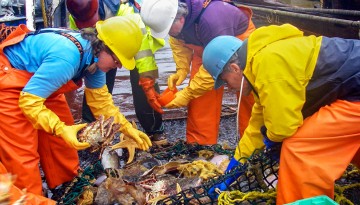
A new collaboration between the Cornell Atkinson Center for Sustainability and The Nature Conservancy this year will fund three studies that could be significant in the face of climate change.
Of the approximately 1,500 stories posted by the Cornell Chronicle, research stories about air pollution, engineering and genetics were the four most-read stories of the past 12 months.
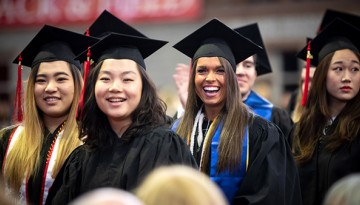
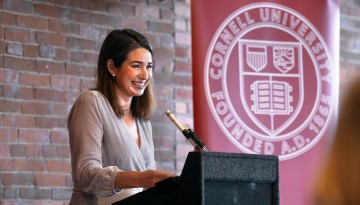
At Cornell’s largest-ever winter graduate recognition ceremony, President Martha E. Pollack congratulated more than 540 graduates and encouraged them to continue to explore different perspectives through reading.
After hosting nearly 20 listening sessions, a faculty committee exploring how best to elevate public policy at Cornell plans to submit its final report in January.
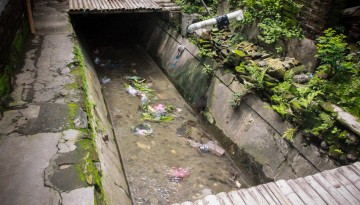
Cities in the “global south” – densely populated urban areas that are part of low-income countries in Asia, Africa and Latin America – should phase out pit latrines, septic tanks and other on-site methods of human waste management, according to a Cornell researcher.
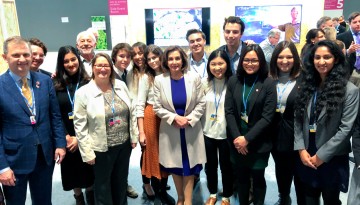
U.S. House Speaker Nancy Pelosi visited with Cornell students at the 25th annual United Nations’ Conference of the Parties climate change conference, Dec. 3 in Madrid, Spain.
Watertown native E. Hartley Bonisteel Schweitzer ’09 was named the latest recipient of the Cornell New York State Hometown Alumni Award for her “steadfast, proactive engagement in Jefferson County.”
Suzanne Lanyi Charles, assistant professor of city and regional planning, looks at the effects of large corporations’ converting foreclosed houses into rental units in a pair of recently published research papers.
Events at Cornell include the 32nd annual Traditional Thanksgiving Feast; “Queen of Carthage,” an opera-oratorio by Ellie Cherry ’19; a lecture on birding and nature appreciation, and Mini Locally Grown Dance concerts.