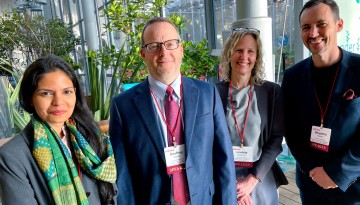
Awards from the Mario Einaudi Center for International Studies will support faculty-led research and international events, send graduate students to research destinations around the world and connect undergraduates with in-person and virtual internships from Ecuador to Zambia and beyond.
Rankings of nations, corporations and colleges trigger behavior that makes them appear more accurate in hindsight, building rating agencies’ power, Cornell economist Kaushik Basu and doctoral student Haokun Sun argue in new research.
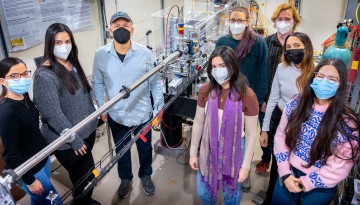
Researchers at CHESS examine proteins that reveal new ways to fight cancer, battery cells that enable a charge far beyond current capabilities and structural materials that enable space travel to improve with lightweight, yet more structurally sound components.
"These faculty members and graduate teaching assistants have made tremendous contributions for the benefit of our students, guiding their educational paths and molding their experiences."
Declaring this the “decisive decade” for climate action, Cornell launched The 2030 Project: A Climate Initiative, which will mobilize world-class faculty to develop and accelerate tangible solutions to the climate challenge.
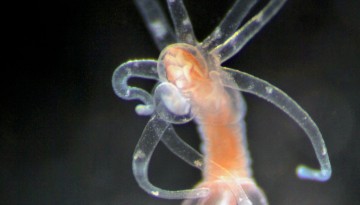
The cnidocytes – or stinging cells – that are characteristic of sea anemones, hydrae, corals and jellyfish, are also an excellent model for understanding the emergence of new cell types, according to new Cornell research.
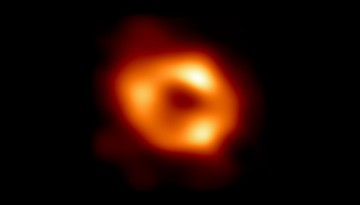
An international team of more than 300 scientists has created the first image of the supermassive black hole at the center of our Milky Way Galaxy. Cornell contributors included Shami Chatterjee and James Cordes from the Department of Astronomy.
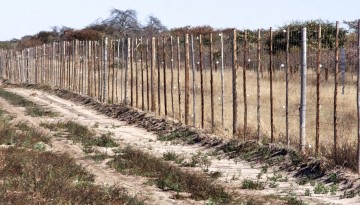
Funded projects this cycle reflect the Migrations initiative’s interdisciplinary priorities of racism, dispossession and migration in the United States and international, multispecies migration.