An agricultural economist, a theoretical physicist, a plant biologist and a physiologist have each been elected to the National Academy of Sciences, the academy announced May 3.
Cornell researchers discovered a strategy to switch the magnetization in thin layers of a ferromagnet – a technique that could eventually lead to the development of more energy-efficient magnetic memory devices.
Misperceptions of marginalized and disadvantaged communities’ level of concern regarding COVID-19 and other issues could undermine cooperation and trust needed to address collective problems, according to new Cornell-led research.
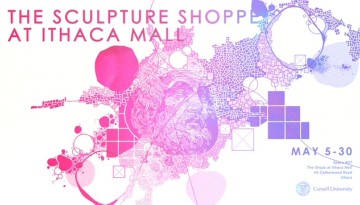
The Sculpture Shoppe, an exhibition of plaster reproductions of classical Greco-Roman art from the Cornell Cast Collection, opens May 5 at the Ithaca Mall with a live performance of modernized ancient Greek songs.
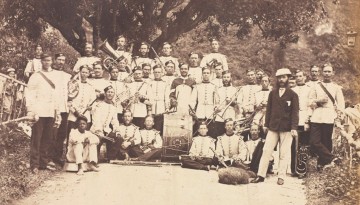
Medical statistics compiled and published by the British military played an important role in introducing “race” as a categorical reality, according to Professor Suman Seth.
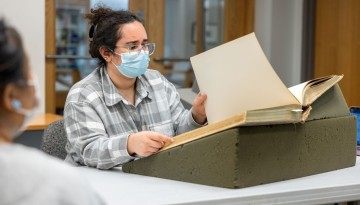
Throughout the spring semester, the inaugural RAD Public History Fellows have been digging deep into library archives and bringing their discoveries to light in creative ways – from social media posts to displays of artifacts and tours of library exhibits.
Clean energy entrepreneurs and startups find an innovative, powerful ecosystem at Cornell that supports the transition to a sustainable, decarbonized economy.
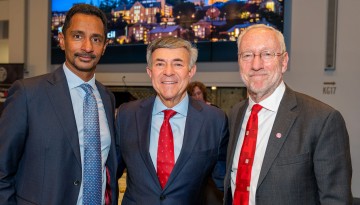
The gift will designate the College Scholar Program as the Robert S. Harrison College Scholar Program, expanding support and funding for student research and summer experiences, creating new connections to Cornell’s New York City campuses and increasing scholarship funds available to undergraduates in A&S.