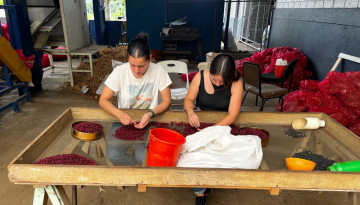
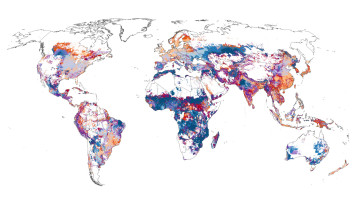
Eighty-three graduate students travelled internationally for fieldwork last summer with the support of research travel grants from the Einaudi Center for International Studies. Their work sent them to every continent except Antarctica and Australia. Applications are open until March 6 for graduate students seeking support for summer 2026.
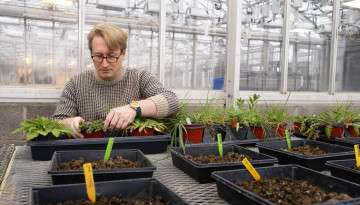
At high densities, white-tailed deer inhibit growth of trees but increase the overall diversity of smaller plant and weed species, according to a long-term study published Dec. 23 in PLOS One.
One of the most recent technologies for sequestering carbon, enhanced rock weathering could remove up to a gigaton of carbon by 2100 if adopted globally.
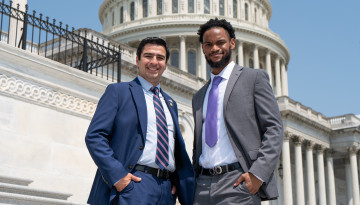
Christian Gant-Madison's '25 platform will use AI to connect youth to jobs, skill development opportunities, civic education information and social resources.
A nationwide campaign that resulted in hundreds of scientists publishing letters in their hometown newspapers about the value of federal research funding has received the Meeting the Moment for Public Health Award from the non-profit Research!America.
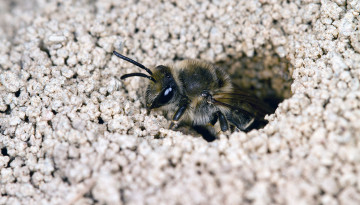
Five new projects from the Cornell Atkinson Center for Sustainability and The Nature Conservancy seek to protect pollinators, restore oyster habitats, manage flood risk and support “cattlevoltaics.”
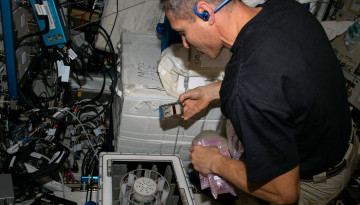
Researchers collaborated to study how those microbes extract platinum group elements from a meteorite in microgravity, with an experiment conducted aboard the International Space Station.