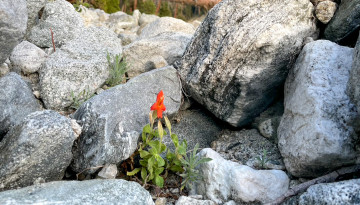
Cornell researchers have found that changes or improvements in workplace policy, culture and outdoor amenities could facilitate more time outdoors to aid well-being for staff.
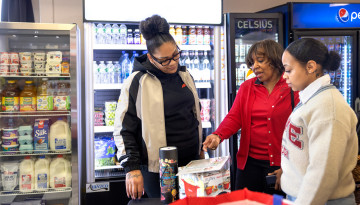
CCE Erie County encourages corner stores in Buffalo’s food deserts to stock fresh fruits, vegetables and other nutritious options and educates residents on how to take care of their health.
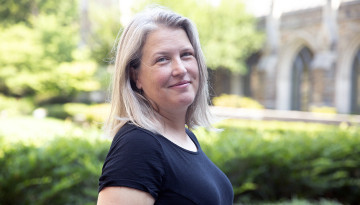
Emily Bernhardt, Ph.D. ’01, the James B. Duke Professor of Biogeochemistry at Duke University, will join Cornell as the Francis J. DiSalvo Director of the Cornell Atkinson Center for Sustainability on Sept. 1.
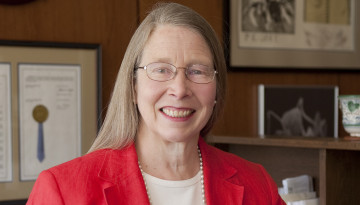
Susan Henry, former dean of the College of Agriculture and Life Sciences and a molecular geneticist whose breakthroughs in understanding cell metabolism contributed to advances in human pharmaceuticals, died March 7 at age 79.
A Cornell statistics expert has come up with a method he believes can boost statistical power and significantly reduce bias – vital for research involving outcomes that differ by socioeconomics, race, sex and other variables.
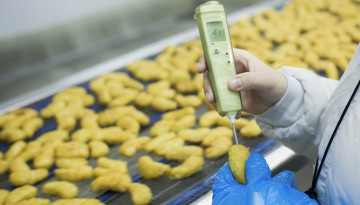
Cornell-led research argues that food safety regulations should set evidence-based targets for food that is sufficiently safe rather than aiming for zero risk, which is neither achievable nor desirable.
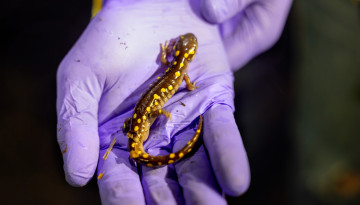
Led by two Cornell graduate students, more than 300 volunteers are heading out into the rain on warm spring nights to help migrating salamanders and frogs.
A new study reveals for the first time the metabolic changes that allow bacteria to survive high doses of penicillin, a classic β-lactam antibiotic. The study also uncovered a weakness in how the bacteria survive, which may help scientists find better ways to fight antibiotic tolerance in the future.