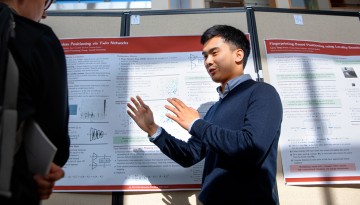
The student-run symposium recognizes research achievement and provides a venue for undergraduates to communicate their work in a scholarly environment.
A Cornell researcher is collaborating on an unprecedented study examining Facebook data to look for patterns in “problematic sharing” – posting links to stories that have already been flagged or proven false – to determine whether this activity spikes around elections or terrorist attacks.
Cornell undergraduates involved in psychology across a number of schools and colleges present their research across a broad array of interests at a May 9 conference in the Physical Sciences Building Atrium.
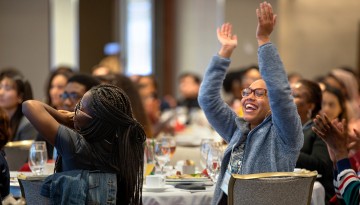
The Office of Academic Diversity Initiatives’ annual Honors Award Ceremony May 3 celebrated students, faculty, staff and alumni who have demonstrated outstanding leadership, high academic achievement and strong community engagement.
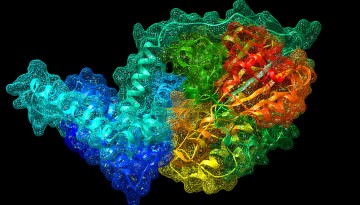
While sifting through the bacterial genome of salmonella, Cornell food scientists discovered mcr-9, a stealthy jumping gene so diabolical that it resists one of the world’s few last-resort antibiotics.
Katherine McComas, Ph.D. ’00, professor of communication in the College of Agriculture and Life Sciences, discusses her role as Cornell’s vice provost for engagement and land-grant affairs.
Around 80 faculty and instructors joined Provost Michael Kotlikoff and the vice provost for academic innovation April 18 for lunch and conversation about innovation in teaching at Cornell.
The Town of Dryden has been awarded a $1.5 million grant to help build a critical section of the 10.5-mile Dryden Rail Trail, including a proposed pedestrian bridge over Route 13, linking the proposed rail trail with Cornell Botanic Garden Natural Areas.