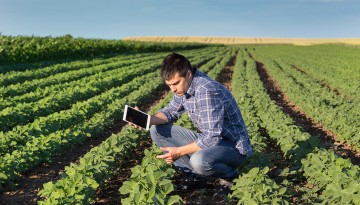
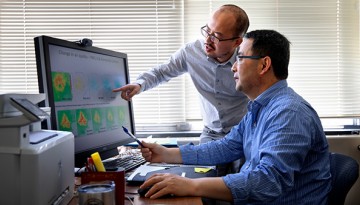
Projects ranging from a soil-swimming robot that can sense conditions in the root zone in real time to computational models that can predict produce spoilage received seed funds from the Cornell Initiative for Digital Agriculture’s new Research Innovation Fund.
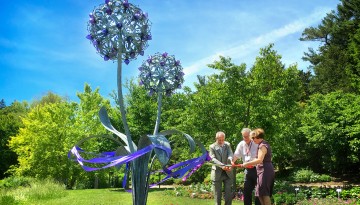
A towering new sculpture welcomes visitors to the Cornell Botanic Gardens: “Double Allium,” crafted of metal and glass, stands 12 feet tall and sits along the walkway to the Nevin Welcome Center.
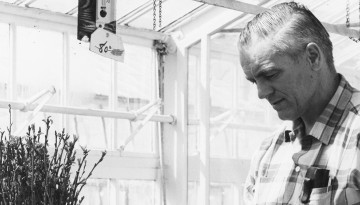
Roger Way, Ph.D. ’53, professor emeritus of pomology and world-renowned apple breeder, died June 2 in State College, Pennsylvania. He was 100 years old.
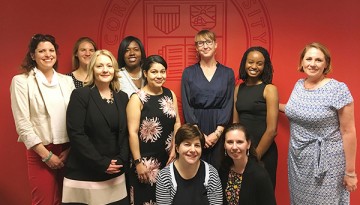
To address a funding imbalance, the Cornell Women’s Grant Fellows Workshop aims to familiarize female assistant professors with the landscape of federal funders, program officers and grant applications, and to teach tips for writing a winning proposal.
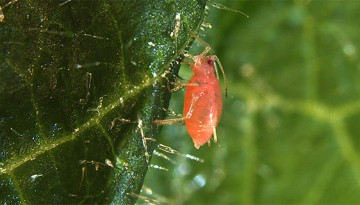
Researchers in Michelle Heck’s lab at the Boyce Thompson Institute are working to better understand how plant viruses interact with aphids on a molecular level, which could lead to better pest-control methods.
Cornell researchers express hope for the future of Houston’s breathable air: By replacing at least 35% of the city’s gasoline cars and diesel trucks with electric vehicles by 2040, Houstonians could breathe easier.
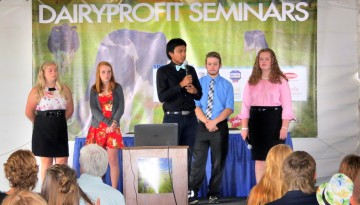
June is National Dairy Month, and Cornell PRO-DAIRY's Junior DAIRY LEADER program has built enthusiasm for the industry for 20 years through personal and professional leadership development.
Four new faculty projects have been selected to receive funding for collaborative, cross-disciplinary opportunities for learning and research in New York City.
Cornell plant breeders and geneticists, who’ve played a significant role in the improvement of the potato, are expanding their efforts as they make more wild potato seeds available to breeders around the world.