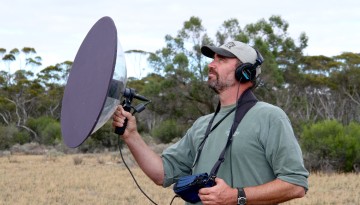
Dr. Mike Webster, Robert G. Engle Professor of Ornithology and Director of the Cornell Lab of Ornithology’s Macaulay Library, will speak about how the bright plumage and complex songs of Australian fairywrens shape mating, behavior, and evolution, in the 2025 Paul C. Mundinger Distinguished Lectureship on October 16.
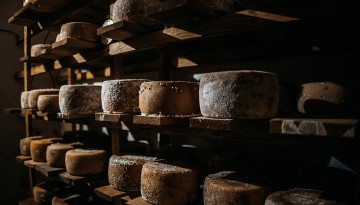
Raw milk cheese products contained infectious avian influenza virus when made with contaminated raw milk, creating potential health risks for consumers.
Andrew Turner '88, M.P.S. '93, director of Cornell Cooperative Extension and associate dean for the College of Agriculture and Life Sciences and the College of Human Ecology, has been named Chair of the Northeast Extension Directors network.
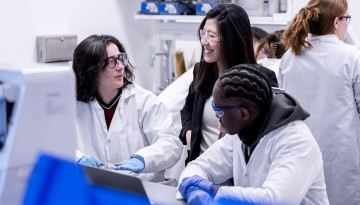
The Center for Teaching Innovation published two series of adaptable case studies, from the Creative Teaching Awards and Provost’s Working Group for Innovation in Assessment, showcasing new Cornell faculty approaches to assessing student learning.
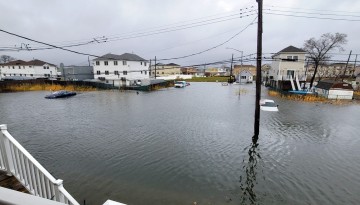
The MyCoast New York app has already provided forecasters and emergency managers with a new understanding of flooding around the state, as sea levels rise and storms intensify.
Up to 20 early-stage research projects will receive funding from this year’s Global Hubs Research Seed Grants, connecting Cornell faculty with researchers at Global Hubs partner universities.
Food systems make up roughly 30% of total greenhouse gas emissions globally. But transforming them could cut these emissions by more than half, according to a report released Oct. 3 from a commission of global experts.