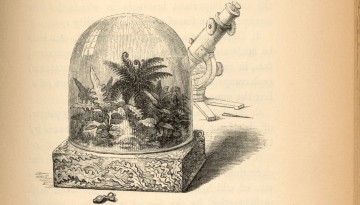
Plants – as objects of admiration and scientific study and materials for creative expression – are the focus of a new Cornell University Library exhibit, “Plant-Based: Botanical Innovations from Paper to Poison,” which opens Sept. 18.
Six Cornell inventors developing projects in robotics, advanced materials, agriculture, biotechnology, AI for medical education and veterinary medicine have been selected for the spring 2025 cycle of the Ignite Innovation Acceleration program.
A new book highlights innovative state and local approaches to eliminating "digital deserts," which persist despite billions in federal subsides promoting universal access.
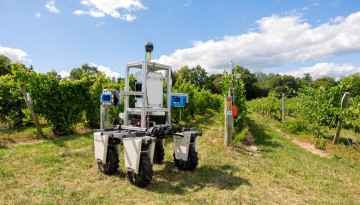
The development of the robot is critical as managing such diseases as powdery and downy mildews in vineyards is the top concern for grape growers and viticulturists.