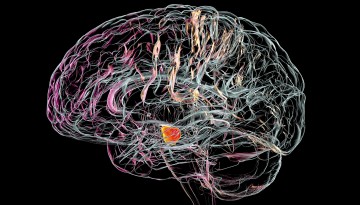
Cornell neuroscientists have identified a group of midbrain neurons essential to ultrasonic social vocalizations produced by mice – but not the squeaks they make when distressed.
Leading academics from around the country will join Cornell experts in a semester-long series, “Antisemitism and Islamophobia Examined,” in addition to a number of other talks exploring these critical issues.
Alumni and current members look back at the history of the pioneering co-op, which led the way in creating an interracial, interfaith house as a nondiscriminatory ideal.
The film focuses on the gendered implications of deepfake technology; a free screening Feb. 7 will be presented by the Milstein Program in the College of Arts and Sciences, partnering with Cornell Cinema.
The Association for Computing Machinery (ACM) has named three Cornell Bowers CIS faculty as 2023 ACM Fellows in recognition of their outstanding accomplishments in computing and information technology.
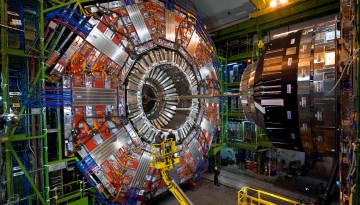
Cornell, in collaboration with other U.S. universities, has been awarded $25 million from the National Science Foundation for another five years of research at the Large Hadron Collider at CERN in Switzerland.