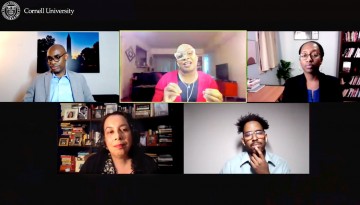
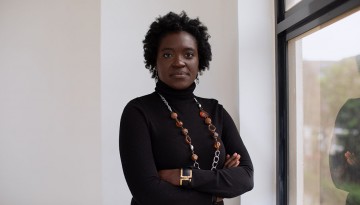
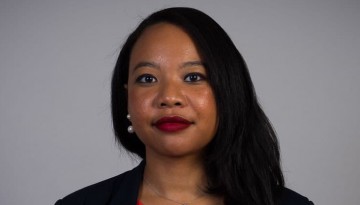
In a “Racism in America” webinar, four Cornell faculty members elaborated on ways the COVID-19 pandemic has shown race-based discrepancies in health care and health outcomes.
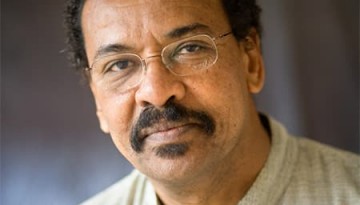
Salah Hassan, Distinguished Professor of Arts and Sciences in Africana Studies, has been elected as the 2021 Distinguished Scholar by the College Art Association for his scholarship and curatorial work, which have been deeply formative in bringing recognition to the study of modern and contemporary African and African diaspora art.
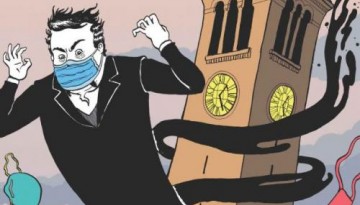
What began as a class project exploring a fraught period of Ithaca history has transformed into a COVID-related comic, “Reflections," telling the story of Ithaca’s typhoid epidemic of 1903, that Leo Levy ’20, hopes can reach people with a lesson from the past and an accessible message about public health.
Jake Turner, postdoctoral researcher in astronomy, has been named a Sagan Fellow in the program, where he will continue his research on magnetic fields, atmospheres and orbital evolution of exoplanets.
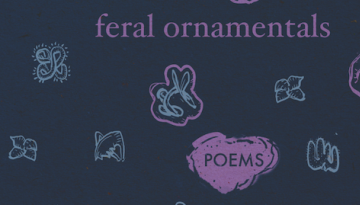
In “Feral Ornamentals,” Literatures in English senior lecturer Charlie Green finds whimsy in uncertainty and humor in the “terrifying,” creating new poems with a fact-based look at the natural world and a sense of exploration through process.
“Policy, Politics and Ethics of the Coming AI Revolution,” an Arts Unplugged webinar, will explore the impacts of artificial intelligence (AI) and technology on our current political system and reflect on ethical concerns for the future, hosted by the College of Arts and Sciences.
Writer, activist and political analyst Nanjala Nyabola will discuss her upcoming book as part ofGlobal Cornell’s Race and Racism across Borders webinar on April 12 at 11:00 a.m. Following the dialogue, Cornell students will present their original prose, poems and visual art.
The Cornell astronomy department will host 51 Pegasi b Fellow Samantha Trumbo, a doctoral student in planetary science at the California Institute of Technology, as she follows up on her breakthrough work on Jupiter’s moon, Europa.