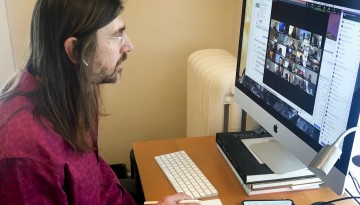
A webinar organized by Cornell Asian American Studies Program will bring together three scholars of refugee studies to explore humanitarian and other efforts that have formed following U.S. wars in Vietnam, Laos and Cambodia.
Doug McKee and his research team found that structured peer interaction helped minimize the impact of the shift to remote teaching during the COVID-19 pandemic.
Ray Jayawardhana, the Harold Tanner Dean of Arts and Sciences, has announced transitions in the College’s senior leadership team that will take place on July 1.
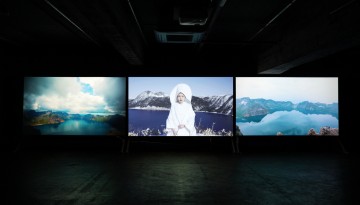
Artist Soni Kum joins the Einaudi Center's East Asia Program on April 2 at 10:00 a.m. to discuss her latest installation work, Morning Dew: The Stigma of Being “Brainwashed.”
Tom Pepinsky, a Tisch University Professor in government, will be the inaugural Walter F. LaFeber Professor. The professorship was created thanks to a gift from Andrew H. Tisch ’71 and Ann Rubenstein Tisch.
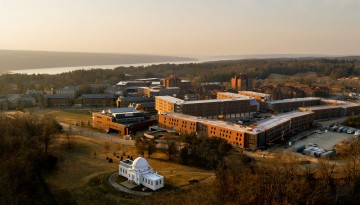
Cornell will honor Nobel Prize winner Barbara McClintock, renowned Chinese scholar Hu Shih and the Cayuga Nation with names for new North Campus residence hall buildings.
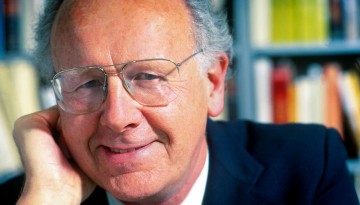
Neil W. Ashcroft, the Horace White Professor of Physics Emeritus in the College of Arts and Sciences and a leading theorist in condensed matter physics, died March 15 in Ithaca. He was 82.
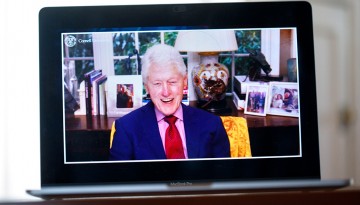
The 42nd president said keeping a democracy going is hard work, but expressed optimism for the nation's future during a March 18 webinar hosted by the Institute of Politics and Global Affairs.