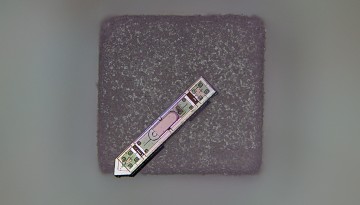
Cornell researchers and collaborators have developed a neural implant so small that it can rest on a grain of salt, yet it can wirelessly transmit brain activity data in a living animal for more than a year.
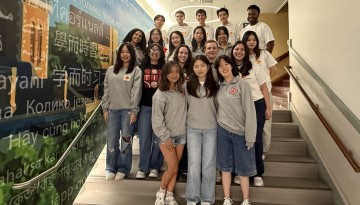
“The Future of Language Advocacy” on Nov. 15 will feature Cornell Translator Interpreter Program founders Fatema Sumar ‘01 and alumna Joyce Muchan ‘97.
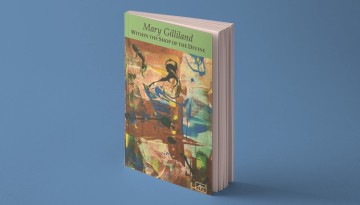
A Saint Anthony statue that glows in the dark lights the way into poems that connect people beyond death, visit holy sites, consider Satanic bargains and consult astrology.
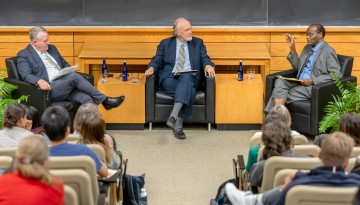
A keynote and faculty panel on Nov. 12 will focus on how faculty can communicate their generative AI-related expectations to students, how students can take accountability for their work, and what this looks like in practice.
Cornell has won three of 15 major grants from the Bezos Earth Fund, awarded to leverage artificial intelligence in the fight against climate change and environmental challenges.
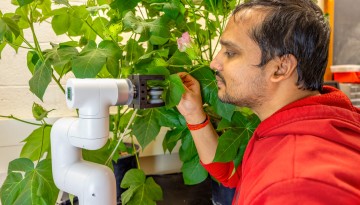
Examples of innovations in plant-human communication are part of a new Cornell University Library exhibit, “Hello, Human! The Emerging Science of Plant Communication and Smart Agriculture,” opening Nov. 6 at Mann Library gallery.
In "Domestic Nationalism," Chiara Formichi argues that during the 1920s to 1950s, Indonesian women’s domestic activities contributed to nation-building as a political project.