Mitchell Duneier of Princeton will visit campus April 11 at 4:30 p.m. in Rhodes-Rawlings Auditorium, Klarman Hall, to talk about his book, “Ghetto: The Invention of a Place, The History of an Idea.”
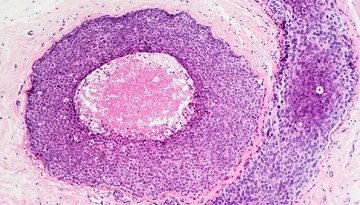
Cornell will hold the first Annual Cancer Research Symposium to showcase diverse and groundbreaking cancer research on campus, and to better integrate investigators from the Ithaca campus and Weill Cornell Medicine.
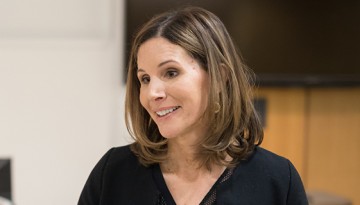
Ying Hua, associate professor and director of undergraduate studies in the Department of Design and Environmental Analysis, has been named director of the Cornell China Center.
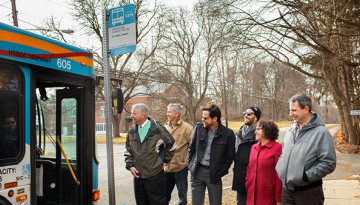
Tompkins Consolidated Area Transit is installing nearly 560 bus stop signs, redesigned in partnership with systems engineering students and the Cornell University Sustainability Design group.
Members of the President’s Visioning Committee on Cornell in New York City held an open forum and discussion March 27, sharing findings from a recent campus survey and asking for additional feedback to help shape the parameters and scope of their recommendations.
Cornell goes green by celebrating Earth with Sustainability Month during April. More than 80 events are scheduled, including lectures, films, fashion, art and social justice events.
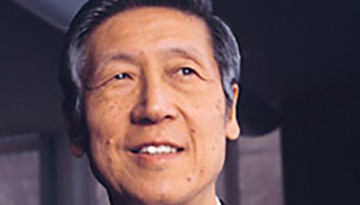
Old Dominion Foundation Professor Emeritus John Hsu, an instrumentalist, scholar and conductor who served on Cornell's music faculty for 50 years, died March 24. He was 86.