Cornell’s To Do the Greatest Good campaign surpassed its goal of raising more than $5 billion and engaging more than 200,000 alumni – achievements that will enhance opportunities for students and accelerate critical faculty research.
This summer, 60 undergraduates participated in the Bowers Undergraduate Research Experience, a 10-week, paid program where undergraduate students do real-world research alongside Bowers faculty.
The second season of Research Matters, a Cornell video podcast, drops today, with a way-too-relevant episode on why we don't always do the things we know we should.
Many New York City eighth-graders – particularly those from underserved communities – aren’t applying to academically competitive high schools where they could succeed, according to new Cornell research.
Six new faculty members will join Cornell Tech during the coming year, bringing expertise in AI, machine learning, programming languages, and operations research.
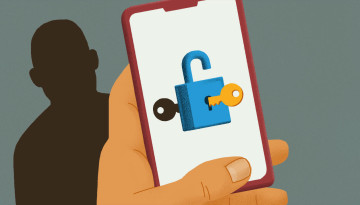
A Cornell team’s study to see how people identify and protect themselves from malicious use of their online passkeys paints a “grim picture” of people’s ability to alleviate the threat posed by such online invasions of privacy.
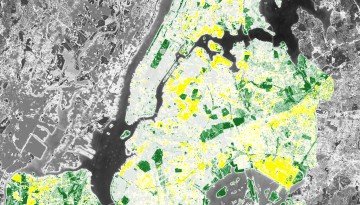
Announced Aug. 5 at Cornell Tech, a research partnership will help neighborhoods in Brooklyn, Queens and the Bronx identify where new trees are needed most to improve public health.