New research shows that if YouTube wants to truly impact channels that distribute problematic content, it should develop a shared database of demonetized users with Patreon and Twitch to prevent them from using each other’s platforms.
From agriculture to AI to healthcare, Cornell Tech alumni are driving social change. Read about three recent graduates who showcase a few of the creative ways alumni are using their Cornell Tech degree.
Artificial Intelligence, Design + Technology and Quantum Science and Technology will become part of “Radical Collaboration Drives Discovery,” bringing to 10 the number of initiatives in the provost office’s five-year-old program.
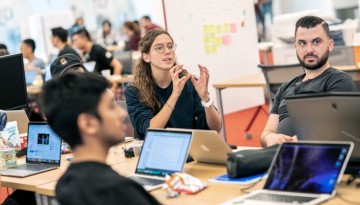
A summit hosted at Cornell Tech on Feb. 28 brought together more than 50 principals, guidance counselors, students and leaders from community-based organizations to discuss how to grow Cornell’s Bridge Scholars program from a successful pilot initiative into a nation-wide collaborative.
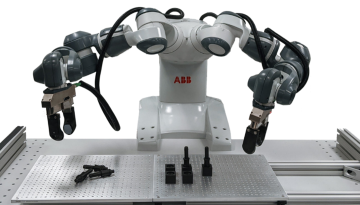
When we think of having our own handy multi-purpose robots, we tend to picture something out of Star Wars or The Jetsons — but the useful technology of the ‘future’ may not be as far off as we think. Maria Bauza Villalonga, PhD student at MIT, hosted a Seminar @ Cornell Tech to show how robots can become our best allies.
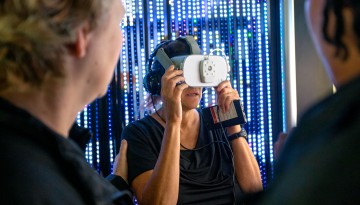
Powering augmented and virtual reality technologies to tackle real-world problems is the focus of a two-year, $1.8 million grant from Meta and Spark AR to Cornell Bowers CIS and Cornell Tech’s XR Collaboratory.
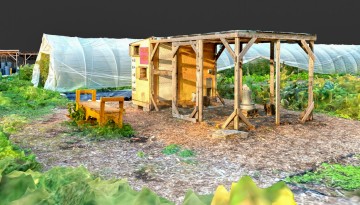
Cornell researchers have created the most advanced virtual reality urban farm tour ever made, an online learning experience that promises to transport urban and rural farmers to New York City’s Red Hook Farms without ever leaving home.
A Cornell Tech clinic has created a new approach to helping survivors of domestic abuse stop assailants from hacking into their devices and social media to surveil and harass them.
Blockchain technology expert Ari Juels testified Jan. 20 before a Congressional subcommittee that digital currency – a notorious energy guzzler – can be validated in greener ways.