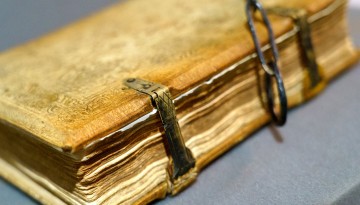
Archivists, curators and librarians are finding virtual ways to help faculty members teach, using gems from Cornell University Library’s rare collections, from medieval texts on parchment to punk show flyers.
The annual Cornell Day of Data, this year a two-day virtual event, Jan. 27-28, brings together professors, researchers and students from across the university to share techniques, tools and insights in working with data.
As part of its mission to make Cornell a more diverse and inclusive environment for faculty, staff and students, the Presidential Advisors on Diversity and Equity have awarded three grants of $15,000 apiece for 2021 programming.
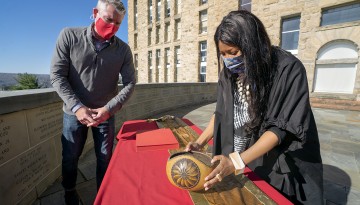
In a ceremony on campus Nov. 4, the papers of Fidelia “Flying Bird” Fielding, were transferred from Cornell University Library to the Mohegan Tribe. Tribal Historic Preservation Officer James Quinn received the rare manuscripts.
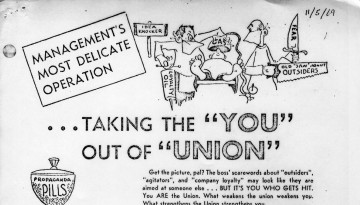
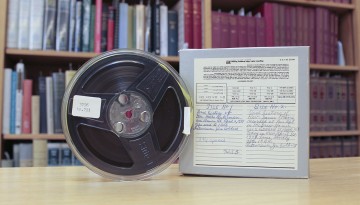
The Kheel Center for Labor-Management Documentation and Archives, in Catherwood Library, recently digitized the anti-union files donated by former HR executive Leonard C. Scott, who specialized in combatting labor unions.
Digging deep into family history? Try Cornell University Library. Not only a trove of primary sources for scholarship, the numerous archives of Cornell University Library also can bring back vivid memories and illuminate gaps in personal stories.
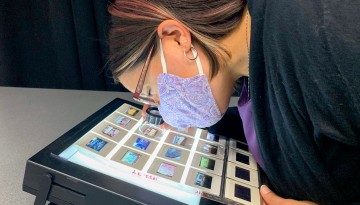
Cornell University Library’s annual Grants Program for Digital Collections in Arts and Sciences is funding three projects aimed at conserving fragile, physical artifacts and digitizing them for research and scholarship.
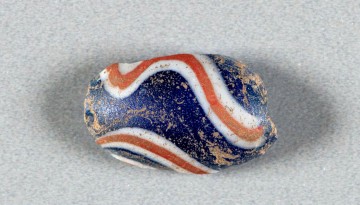
Unearthed, digitized and soon to be repatriated, artifacts from two Native American towns are beginning to share their rich stories online thanks to a collaborative project by anthropologists, librarians and Indigenous community members.
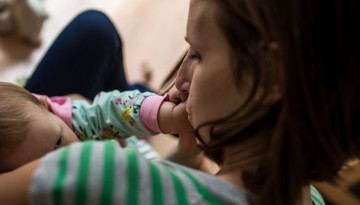
Cornell researchers are leading a review on the risk of coronavirus transmission through breast milk intake and breastfeeding, to inform WHO guidelines during the pandemic.