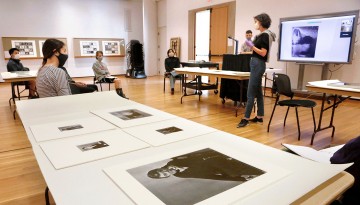
Gifts from retired banking executive Nancy Sukenik will boost the study and appreciation of photography at Cornell through the establishment of a curatorship at Cornell University Library, and a teaching gallery at the Johnson Museum of Art.
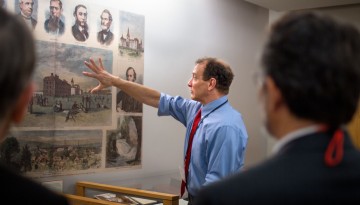
Scholars studying the shifting landscape of work can now dig deep into more than a half-century’s wealth of knowledge from the ILR School’s digitized publications available on HathiTrust Digital Library, a vast collection of digitized content from libraries around the world.
The Andrew W. Mellon Foundation has approved a grant of $1.2 million to extend the Mellon Collaborative Studies in Architecture, Urbanism and the Humanities interdisciplinary seminar series at Cornell for three years with a focus on social justice.
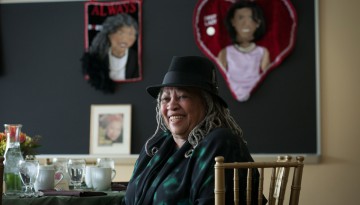
Celebrating the author’s work and the community-building tradition of African American quilt-making, the Toni Morrison Quilting Project kicks off on Feb. 22, noon to 1:30 p.m., with a virtual quilting traditions workshop, featuring Ithaca-based fiber artist Heather Stewart.