Cornell is a global leader in sustainability and climate change research, teaching and engagement. Our campuses are living laboratories for developing, testing and implementing solutions that address these most challenging issues.


Solar panels proposed for North Campus expansion

From the rooftops of Cornell’s proposed North Campus Residential Expansion, the university hopes to gather enough solar energy to offset electricity use, create energy and reduce its carbon footprint.

Future cartons will track milk from farm to fridge

Cornell food scientists are designing the milk carton of the future that will give consumers precise “best by” dates and improve sustainability by reducing food waste.

Cornell selects eight Presidential Postdoctoral Fellows

The Cornell Presidential Postdoctoral Fellowship Program, which attracts some of the world’s best young talent to Cornell, has chosen eight new fellows.

Student research has CURB appeal

The student-run symposium recognizes research achievement and provides a venue for undergraduates to communicate their work in a scholarly environment.

UV light may be ripe to replace chemicals in fungus fight

Thanks to research led by Cornell AgriTech’s David Gadoury, farmers may no longer have to rely on fungicides to control powdery mildew, a rampant plant fungal disease.

Science, diversity celebrated at CALS Day

CALS Day took on a festival atmosphere with more than 35 science exhibits, food, animals, tie-dye and music during a celebration of the diversity of the college’s research and people.

Earth Day 2019: Cornell students teach kids to reduce plastic

Cornell students spent Earth Day outdoors at the Smithsonian’s National Zoo in Washington, D.C., teaching patrons how to mold plastic in a different way – by reduction.

Polson Institute to host food waste-reduction workshop

Cornell’s Polson Institute for Global Development will host “Reducing Campus Food Waste: Innovations and Ideas,” a lecture and workshop May 2-3 on campus.

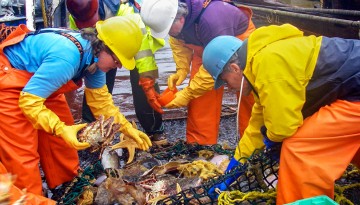
Study shows invasive rusty crayfish sabotage own habitat

A new Cornell study shows that in lakes with muck and sand bottoms, the invasive rusty crayfish has been contributing to its own population decline by destroying the very plant life it needs.