Cornell is a global leader in sustainability and climate change research, teaching and engagement. Our campuses are living laboratories for developing, testing and implementing solutions that address these most challenging issues.

Engineers propose greener recycling for medical PPE waste

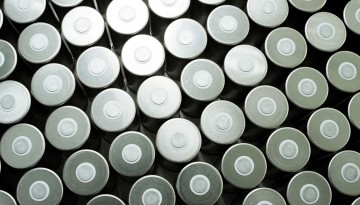
Forget incineration or landfills. To resolve the increasing, never-ending waste stream of medical PPE as a result of the pandemic, Cornell engineers suggest recycling via pyrolysis.

Startup roundup: New alliances for Ava Labs

Cornell startups Ava Labs have new key partnerships with Deloitte and Mastercard, while university startup companies SwiftScale Biologics and Novomer have been acquired.

New grant seeks to fund creative campus energy projects

With over 20 years of deep investments in energy conservation on campus, staff are looking for creative partnerships with members of the campus community to identify new ways to save energy.

Around Cornell

Film reveals efforts to save world’s rarest stork

A new film, “Hargila,” illustrates how the greater adjutant stork is slowly being pulled back from the brink of extinction thanks to a community effort inspired by a wildlife biologist in India.

Diane Bailey to head Cornell Institute for Digital Agriculture

Diane Bailey, the Geri Gay Professor of Communication, has been named director of the Cornell Institute for Digital Agriculture.

Around Cornell

2021 was Northeast’s third-warmest year since 1895

For the Northeastern U.S., the year 2021 was third warmest – at an average of 49.5 degrees, which ties the year 2020 – since 1895, says the Northeast Regional Climate Center.

Bald eagle rebound stunted by poisoning from lead ammunition

A new study finds that despite increasing numbers of bald eagles, poisoning from eating dead carcasses or parts contaminated by lead shot has reduced population growth by 4% to 6% annually in the Northeast.

Upstate residents skittish on building utility-scale solar

As New York prepares for a carbon-free energy future, public support for utility-scale solar farms is much lower than support for smaller solar projects, says new Cornell research.

Cornell scientists coolly recall fiery volcano visit

Far above the isle of La Palma in Spain’s Canary Islands, two Cornell scientists closely examined the airborne effects of the erupting Cumbre Vieja volcano.