Cornell is a global leader in sustainability and climate change research, teaching and engagement. Our campuses are living laboratories for developing, testing and implementing solutions that address these most challenging issues.


Startup’s sustainable tech takes food farther

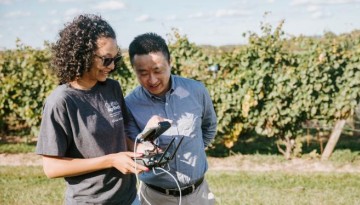
Farther Farms has created the world’s first commercially available french fries that don’t need freezing or refrigeration, with innovative technology developed at Cornell.

Tanzanian farmers boost diets with sustainable methods

Diversity of children’s diets and food security improved for households after Tanzanian farmers learned about sustainable crop-growing methods, gender equity, nutrition and climate change from peer mentors.

Women Leaders in Sustainability Fellowship launches

The fellowship is one-year program open to Cornell University graduate and undergraduate students designed to accelerate career and executive-leadership advancement in sustainability-related fields.

Around Cornell

Swiping, swabbing elevates processing plant food safety

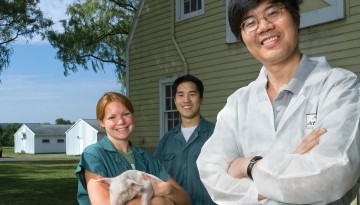
By swiping surfaces in commercial food processing plants with specially designed swabs, spoilage and foodborne illness could diminish, according to Cornell research.

Cornell Humphrey Fellows help conserve local wetland habitats

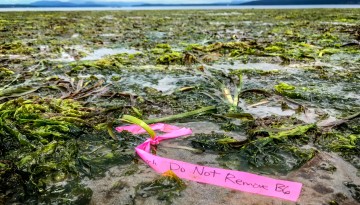
Hubert H. Humphrey Fellows from Cornell volunteered for conservation efforts at Montezuma National Wildlife Refuge in April as part of Earth Day activities.

Around Cornell

Engage public, explore methods to secure NYS green energy

Solar-power developers should explore using lower-quality agricultural land and engage communities early to meet NYS green energy goals.

Human behavior must be factored into climate change analyses

A new Cornell-led study examines how temperature affects fishing behavior and catches among inland fisher households in Cambodia, with important implications for understanding climate change. 

Nanoscale defects could boost energy storage materials

A Cornell-led collaboration used X-ray nanoimaging to gain an unprecedented view into solid-state electrolytes, revealing previously undetected crystal defects and dislocations that may now be leveraged to create superior energy storage materials.

Research paves way for wireless charging of electric vehicles

Cornell researchers are pioneering an innovative approach for the wireless charging of electric vehicles and other machines while they remain in motion.