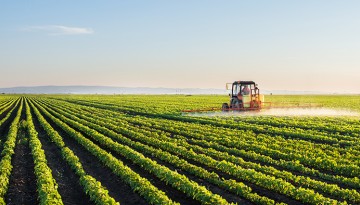
In the face of climate change, researchers estimate the U.S. investment in agricultural research needed to maintain productivity - finding it comparable to the investment made following the two world wars.
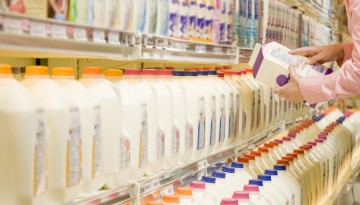
The United States and Canada have been fighting about milk for years, but new Cornell research suggests recent Canadian trade concessions removed some barriers to U.S. dairy exports.
William Boyle ’55, MBA ’56, has given a significant gift to the College of Agriculture and Life Sciences (CALS) to support renovations to the Plant Science Building.
Cornell AES manages farms and greenhouses that support research but are also unique teaching tools for over 40 courses. This is the fifth story in a series about on-farm teaching; summer internships offer undergraduates immersive learning experiences.
The process of combining agricultural production and solar panels on the same farmland, known as agrivoltaics, has seen a great leap in Cornell research activity.
Knowing the duration and timing of when migratingmallard ducks – natural carriers of avian influenza – stop and rest can help predict the probability that they will infect backyard poultry flocks.