Pulitzer Prize-winning New York Times columnist Bret Stephens, New York Times White House correspondent Zolan Kanno-Youngs and ProPublica investigative reporter and Pulitzer finalist Keri Blakinger ’14 will appear at Cornell this spring.
A Cornell student and two alumni have been named Schwarzman Scholars for the 2026-27 academic year and will spend it in a master’s program in global affairs at Beijing’s Tsinghua University.
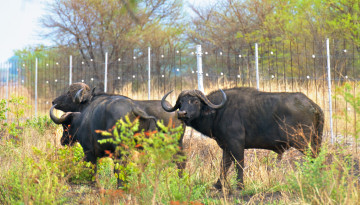
Across parts of southern Africa, fences aim to separate cattle from other animals to prevent the spread of diseases, but they also restrict wildlife migrations.
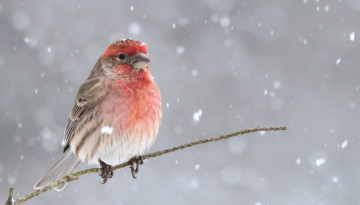
The four-day event, co-sponsored by the Cornell Lab of Ornithology, is expected to attract nearly 1 million participants this year, providing a global snapshot just before migration.
The fate of Russia’s forests will affect the whole world, according to a new book from a Cornell researcher who has spent years studying the forest and its significance in Russian history and culture.
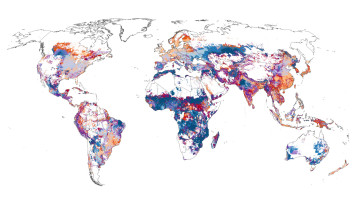
A new analysis shows that improved farm productivity has been the driving force in keeping global greenhouse gas emissions from agriculture in check, with implications for how countries support farmers and research.
AAP professor Esra Akcan’s new book examines architecture’s role as both a cause of human casualties and an agent for the public good with the potential to ameliorate traumas following conflict and crises.