In a ceremony this October, the Hanga Ahazaza Initiative celebrated Rwanda’s rapidly strengthening hospitality and tourism sector, a foundational piece of the country’s economic development strategy.
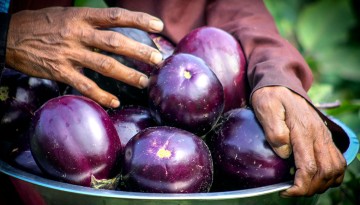
A new Cornell-led project will accelerate the application of a proven biotechnology to enhance food and nutritional security in Bangladesh and the Philippines while protecting the health of farmers and the environment.
Figure skater Karen Chen ’23 is headed to Beijing next month for the Winter Olympics, and will be joined from Cornell by five former Big Red women’s hockey players plus Doug Derraugh ’91, the Everett Family Head Coach of Women’s Hockey.
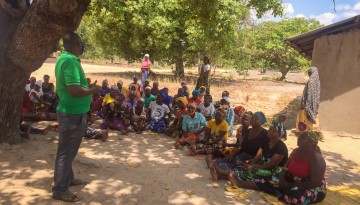
Digital technologies developed by the Innovation Lab for Crop Improvement are helping farmers in Africa combat an agricultural pest that is choking food security across the continent.
Cornell experts from a variety of fields share their recommendations for individual actions – large and small – that can make an impact locally and globally.
A new initiative at the Tata-Cornell Institute for Agriculture and Nutrition (TCI) will chart a path for reducing the greenhouse gas emissions associated with agriculture while meeting the nutritional demands of growing populations.
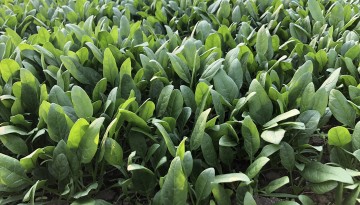
A team of researchers from Boyce Thompson Institute and six Chinese universities has identified genes in spinach that regulate its concentration of oxalate, which is responsible for “spinach teeth,” as well as genes that help the plant combat downy mildew, a major disease of commercial crops.