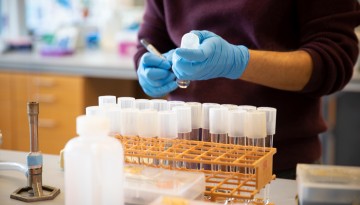
As Cornell puts noncritical research on hold, researchers on campus have found that everyone is making extra efforts to help each other through the transition.
The Affordable Health Care act, passed in 2009, was designed to close racial disparities in access to health care. In the first decade of the act's implementation, however, many such provisions are being blocked by racial politics.
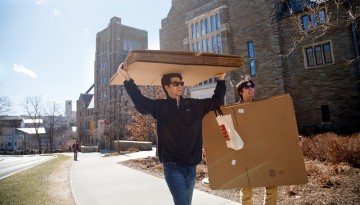
From booking flights home to moving belongings into storage, Cornell students are helping classmates cope with disruptions caused by the COVID-19 pandemic.
A collaboration led by Lawrence Bonassar developed a two-step technique to repair herniated discs so they maintain mechanical function and won’t collapse or deteriorate.
A Cornell research team led by Ben Cosgrove used a new cellular profiling technology to probe and catalog in a “muscle regeneration atlas,” the activity of almost every possible kind of stem cell involved in muscle repair.
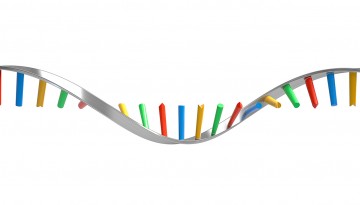
Researchers from Cornell and the Mars Global Food Safety Center can complete whole-genome sequencing to determine salmonella serotypes in two hours and the whole identification process within eight hours.
Projects aiming to combat online harassment of women and improve the computer models used to predict disease were among the five at Cornell to receive 2019-2020 Google Faculty Research Awards.
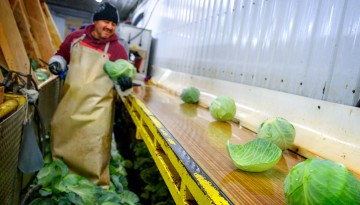
Trained Cornell Cooperative Extension agents teamed with New York State Department of Agriculture and Markets personnel across the state to offer free and confidential on-farm readiness reviews to insure that farmers can meet new produce safety standards.