On Jan. 2, the School of Industrial and Labor Relations’ new New York City headquarters and conference center opened in the historic General Electric building at 570 Lexington Ave. Several other Cornell colleges, units and programs will soon be using space in the building.
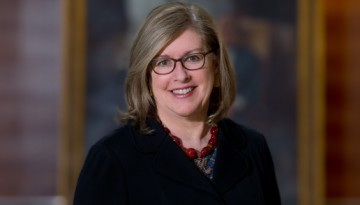
Dr. Barbara Hempstead will become dean of the Weill Cornell Graduate School of Medical Sciences on Jan. 14. She succeeds Dr. Carl Nathan, who is completing his planned two-year term.
Cornell University researchers will collaborate on a new, five-year United States Agency for International Development flagship multi-sectoral project to combat malnutrition.
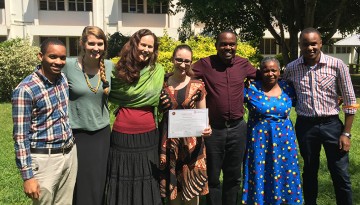
Jeanne Moseley, director of the Division of Nutritional Sciences’ Global Health Program, has been awarded the George D. Levy Faculty Award for her efforts to create exemplary, sustained community-engaged projects.
The 2018 Cornell Town-Gown Awards recognized three student partnerships with local organizations to develop new bus route signs, sponsor a pet health clinic and explore the future of local emergency medical services.
Cornell Cooperative Extension's “Extension Out Loud” podcasts examine output, quality and consumer impacts from this year’s vegetable, tree fruit, grapes and field crops harvests.
Postmenopausal women with higher levels of body fat have a significantly increased risk of developing breast cancer even if they have a normal body mass index, according to a new study.