Weill Cornell Medicine researchers and the TB Drug Accelerator have received two grants totaling $6.8 million from the Bill & Melinda Gates Foundation to study tuberculosis drug development.
For talkative midshipman fish, the midbrain plays a key role in patterning trains of sounds and may serve as a model for how mammals, including humans, control vocal expression.
A new study reveals that beyond providing a convenient way to store DNA in a tight space, the 3D organization of noncoding gene regulators in chromatin contributes to the control of key cell identity programs in early embryonic development.
A new method could be used by biologists to estimate the prevalence of disease in free-ranging wildlife and help determine how many samples are needed to detect a disease.
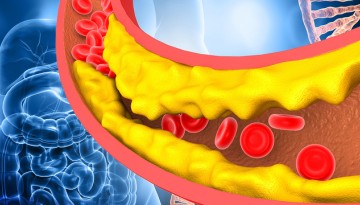
A preclinical study has shown that colorectal pre-cancerous lesions known as serrated polyps, and the aggressive tumors that develop from them, depend on the ramped-up production of cholesterol, which points to the possibility of using cholesterol-lowering drugs to prevent or treat such tumors.
A clinical trial led by researchers at Weill Cornell Medicine and NewYork-Presbyterian found remaining on the anti-obesity drug tirzepatide promoted additional weight loss and preserved improvements in metabolic and cardiovascular health.
An intercampus collaboration that aims to provide digital health care tools to pregnant refugee women, who are at elevated risk for pregnancy complications but often afraid to seek medical care, has been awarded a National Academy of Medicine Catalyst Prize.
A preclinical study by Weill Cornell Medicine investigators shows that a specific human genetic variant of a receptor that stimulates insulin release may help individuals be more resistant to obesity.
Removing race information from cardiovascular risk calculators – which predict the probability of developing heart disease – doesn’t affect patients’ risk scores, according to a study by Weill Cornell Medicine and NewYork-Presbyterian investigators.