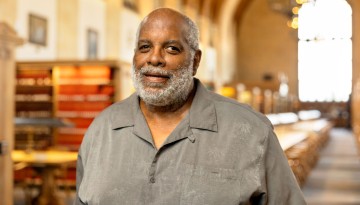
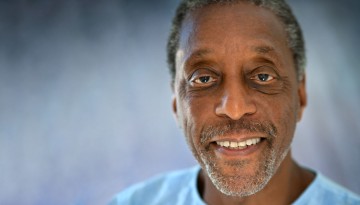
After decades of success as a doctor who worked alongside world leaders responding to catastrophes, Harry Hazelwood III – now in his late 60s – is seeking a master’s degree from Cornell Law School.
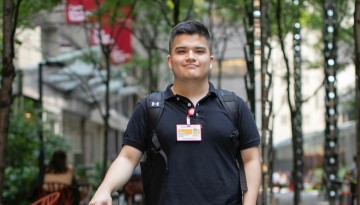
Students in the Milstein Program in Technology & Humanity spent eight weeks this summer exploring New York City and thinking deeply about the implications of technology.
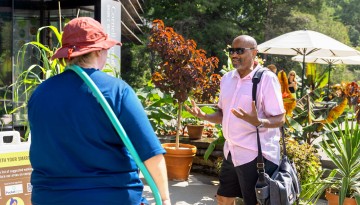
The exhibition includes an outdoor plant display, audio tour and an indoor exhibit, all describing plants that are significant to the Black experience in the Americas dating back to the transatlantic slave trade.
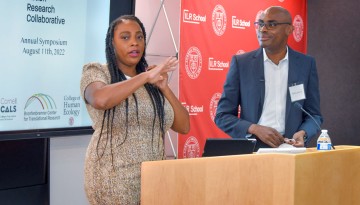
Members of Cornell’s Action Research Collaborative joined representatives from New York City agencies at a symposium Aug. 11 to discuss innovative new solutions aimed at dismantling the systemic racism that has led to inequities around food, nutrition, education, health and employment.
James Turner, the founding director of Cornell’s Africana Studies and Research Center and a pioneer of the multidisciplinary approach to exploring the African diaspora, died Aug. 6.
Thirteen enlisted military service members and veterans completed an intensive two-week curriculum at Cornell in partnership with the nonprofit Warrior-Scholar Project, which helps veterans transition to higher education.
Four undergraduates are working with a professor this summer to research how forests cycle and store carbon and nutrients in trees, microbes, and soil, and how these processes respond to changes in climate, air pollution and disturbances.