A study that initially looked at the career impacts of shifting one's research to the COVID pandemic revealed that any researcher who changes their focus to a new field can face a serious "pivot penalty."
This summer marks the 80th anniversary of the “official” end of World War II, but a new book co-edited by Ruth Lawlor, assistant professor of history, extends the war’s timeline back to 1931 and into the mid-1950s.
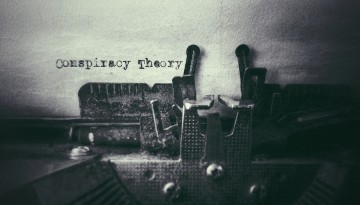
Overconfidence is a hallmark trait of people who believe in conspiracies, and they also significantly overestimate how much others agree with them, Cornell psychology researchers have found.
The Scheinman Institute, which promotes a problem-solving approach to dispute resolution, has formed the Cornell ILR National Conflict Resolution Service in collaboration with the American Arbitration Association.
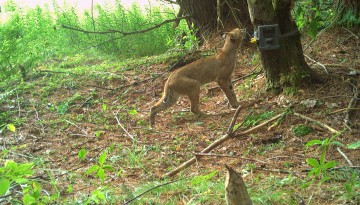
Snapshot NY aims to collect widespread data about animal populations throughout New York state - using thousands of trail cameras - and is engaging the public to aid the effort.
The "premier telescope in space right now" will start a fourth annual cycle of observations on July 1, and three early-career astronomy researchers in A&S are PI or co-PI on observation programs chosen from a very competitive field.