The New York State Senate has honored Tashara M. Leak, associate professor and associate dean of Cornell Human Ecology in New York City, as a 2025 Woman of Distinction.
The project - which has expanded to four SUNY schools and to younger kids nationally - has disbursed more than $500,000 to over 1,300 participants, bolstering young people's sense of agency, community and purpose.
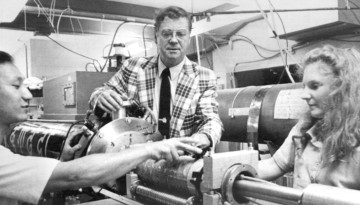
Charles “Chuck” Benjamin Wharton, professor emeritus of electrical engineering and a distinguished expert in plasma physics, died April 12 in Ithaca, New York. He was 99.
A combination of artificial intelligence and data analysis techniques can help doctors to better predict a patient's risk of thyroid cancer, and may one day prevent unnecessary surgeries.
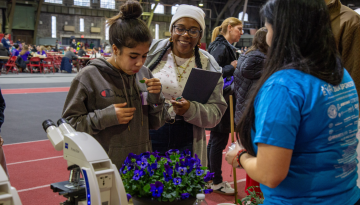
From drones that monitor crop health to plants that send text messages, middle and high school students at Cornell’s Expanding Your Horizons conference experienced firsthand how plant science and technology are shaping the future of agriculture on April 5 in Barton Hall.
The Cornell Center for Social Sciences has awarded spring Seed Grants and the inaugural Grant Preparation Funds to support impactful social science research. Faculty can now apply for up to $115,000 in funding, with the next deadline approaching on June 1.
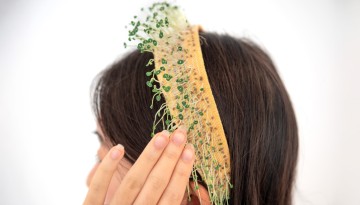
Researchers in the College of Human Ecology have developed a design and fabrication approach that treats plants as companions to humans, with seeds woven into hydrogel material for apparel and other applications.