Two grants, up to $25,000 each, will be awarded for research in the life sciences to Cornell faculty who enhance the diversity, equity and inclusion goals of the university.
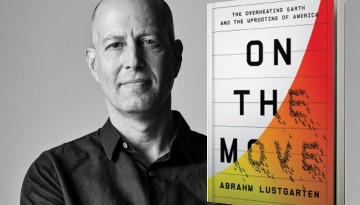
The Cornell Jeb E. Brooks School of Public Policy will host author, Cornell alumnus, and ProPublica climate reporter Abrahm Lustgarten for “On the Move: The Overheating Earth and the Uprooting of America, in the next installment of the Koen-Horowitz Lecture Series at Call Auditorium in Kennedy Hall from 7:30pm to 9:00pm on Friday, November 8.
A new technique developed in the lab of Juan Hinestroza from the College of Human Ecology could create waterproof coatings for clothes out of discarded textiles – far safer for humans and the environment than current coatings.
In his new book, associate professor Jeremy Braddock explores the history of the Firesign Theatre, who used multitrack audio and avant-garde collage to put a countercultural spin on the comedy album in the 1960s and ’70s.
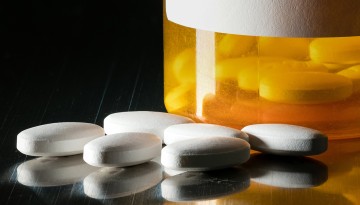
Weill Cornell Medicine researchers have found that removing protected class regulation from Medicare prescription drug policies could greatly reduce the United States' prescription drug spending, potentially saving $47 billion between 2011 and 2019.
Researchers have uncovered perplexing states in a nanomaterial as it changes its atomic structure, a discovery that could advance materials with tailored properties for renewable energy and quantum computing.