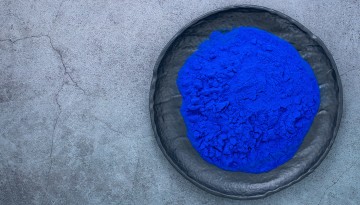
A natural food colorant called phycocyanin provides a fun, vivid blue in soft drinks, but it is unstable on grocery shelves. Cornell’s synchrotron is helping to steady it.
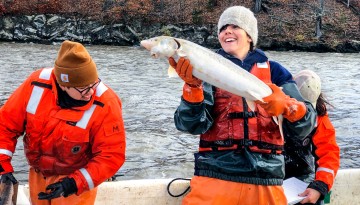
Researchers conducting a population estimate of shortnose sturgeon in the Hudson River caught one on Nov. 19 that had been tagged 26 years ago, during the last such count.
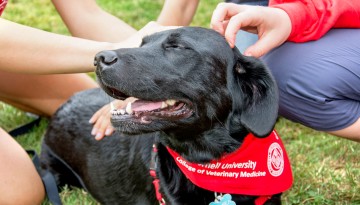
A $30 million gift from Margaret and Richard Riney has endowed and named the Cornell Margaret and Richard Riney Canine Health Center at the College of Veterinary Medicine to improve the health and well-being of dogs.
Open to women and underrepresented faculty in the life sciences at Cornell, two awards – up to $25,000 each – will be given for research projects likely to generate novel preliminary data or a significant new line of inquiry.
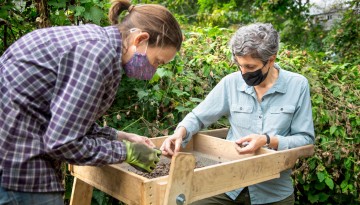
Cornell researchers and students are collaborating with community members to shed light on the role St. James A.M.E. Zion Church played in the abolitionist movement of the 1800s.
Misra will lead Cornell’s efforts to navigate risk throughout its operations, starting Jan. 4. Misra previously directed audits and investigations at Johnson & Johnson.
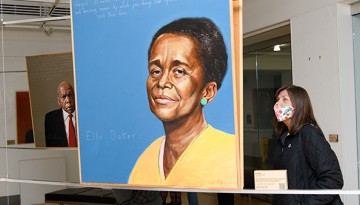
An exhibit in the College of Human Ecology includes portraits of citizens who courageously addressed issues of social, environmental and economic fairness.
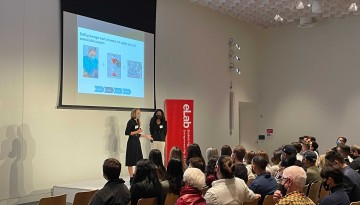
Students in 20 businesses pitched their ideas to 150 Cornell alumni, investors and friends during the eLab pitch night Nov. 11 at Cornell Tech in New York City.
Research from a team of Cornell and Ithaca College faculty and students provided key insights to Tompkins County legislators, who recently approved funding for a new housing program to help formerly incarcerated people.