Cornell faculty members have until Monday, Dec. 6, to submit nominations of distinguished scholars in the areas of humanities and physical sciences for the A.D. White Professors-at-Large Program.
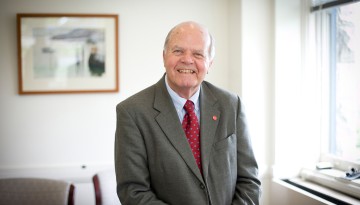
The independent Office of the University Ombudsman provides a space for faculty, students and staff to engage in candid and confidential discussions about academic or workplace concerns. Charles Walcott, Ph.D. ’59, plans to retire later this year as university ombudsman, the part-time position he’s held for a decade.
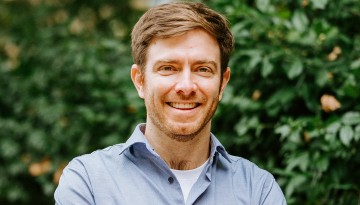
Flavio Lehner won a three-year, $500,000 grant from the National Oceanic and Atmospheric Administration to improve climate models on which future U.S. water projections are based.
This semester, the Executive Accountability Committee announced implementation progress including the launch of a new central mental health and wellness resource website and a new peer support model adopted by the student-led Empathy Assistance and Referral Service.
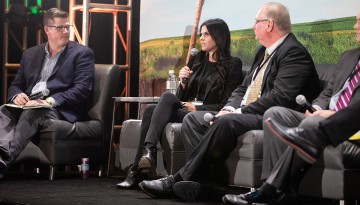
“A Call For Innovation: New York’s Agrifood System,” a report published this past spring by Cornell’s Center for Regional Economic Advancement, is the basis for the topics to be addressed at this year’s Grow-NY Summit, slated to bring food and ag innovators together at the Syracuse Oncenter on Nov. 16-17.
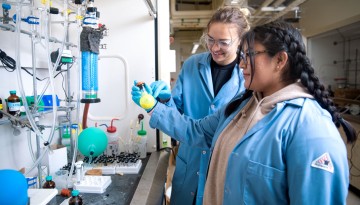
The Nexus Scholars program, funded by nearly $5 million in philanthropic support, will help undergraduates working on research projects with faculty members over the summer.
Cornell is not requiring members of the community to receive a booster at this time; however, as breakthrough cases continue to occur, officials are encouraging community members to consider receiving a one once eligible.
Italian artist and long-time Cornell in Rome visiting critic Luca Padroni reflects on his depiction of the human condition in relation to time and the natural world.