Violinist Ariana Kim, associate professor of music, has collaborated on a multimedia piece for solo violin and spoken word, “How Many Breaths? – In Memory of George Floyd and Countless Others,” which premieres online Sept. 27.
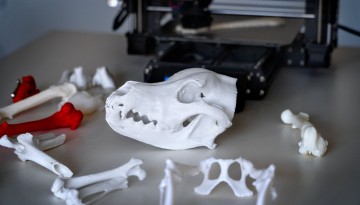
First-year veterinary student Sean Bellefeuille’s startup creates anatomical models of animals with a 3D-printer. These models help veterinary surgeons better prepare for surgery on their patients.
Sports films make important cultural statements, according to Samantha Sheppard, the Mary Armstrong Meduski ’80 Assistant Professor of Cinema and Media Studies, in her book, “Sporting Blackness.”
Noted authors, scholars and poets will celebrate Toni Morrison, M.A. ’55, as the College of Arts and Sciences hosts a livestreamed reading of her first novel “The Bluest Eye,” celebrating the 50th anniversary of its release.
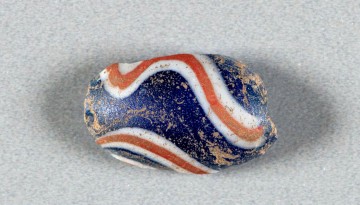
Unearthed, digitized and soon to be repatriated, artifacts from two Native American towns are beginning to share their rich stories online thanks to a collaborative project by anthropologists, librarians and Indigenous community members.
The Plant Science Research Network presents an action plan for its researchers to maximize their impact on pressing global issues such as human health and climate change.
In her new book, “Togo Mizrahi and the Making of Egyptian Cinema,” professor Deborah Starr reintroduces Mizrahi’s films and career, arguing that he and his work deserve a prominent place in Egyptian cinema history.
The Program on Ethics & Public Life in the Department of Philosophy is sponsoring a public debate series, which kicks off Oct. 1 with “Health vs. Economy in the Pandemic Control: What is the Right Balance?”
Cornell’s Feed the Future Innovation Lab for Crop Improvement announces $4 million in funding to launch four Centers of Innovation aimed at developing more resilient, nutritious crops.