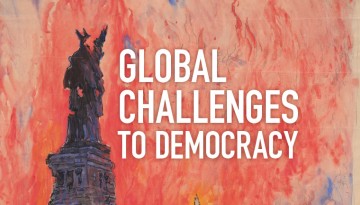
Democracy is in retreat across much of the world, and for years Cornell government scholars have been tracking its erosion in various regions – including the United States.
Peter John Loewen, the Harold Tanner Dean of Arts and Sciences, shared takeaways from his decade-long AI research during a lecture kicking off the Cornell University School of Continuing Education’s Summer Events Series.
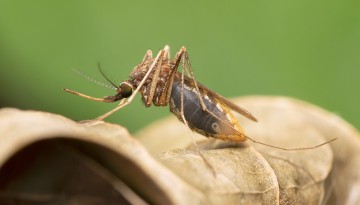
The threat of mosquito-borne diseases, which climate change is expected to exacerbate, highlights local politics’ pivotal and understudied role in public health.
Social media can influence workplace policies by amplifying worker voices, but fail to drive meaningful workplace improvement when workers lack support from labor unions or civil society organizations, according to new research by Duanyi Yang, assistant professor at the ILR School.
A project examining how to help companies hire neurodivergent people has received a termination order, halting work that could have helped autistic people find jobs and employers find talent.
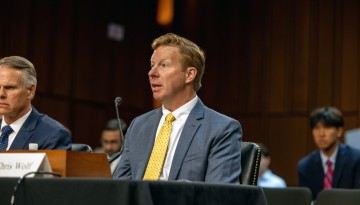
Professor and ag economist Chris Wolf testified on why farmers are the nation’s oldest workforce and how to encourage younger people to work in agriculture.
For the five graduates who have earned Ph.D.s in public policy from the Brooks School in 2025, their academic journeys included COVID disruptions and a transition from the Department of Policy Analysis and Management to Brooks.