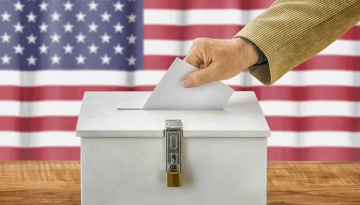
A Cornell professor’s election forecasting model correctly picked Trump’s win this year in all 50 states – and would have correctly predicted 95% of states in every election since 2000.
Celia Bigoness, a clinical professor at Cornell Law School, helps professionals understand how to mitigate risks in the International Business Law certificate from eCornell.
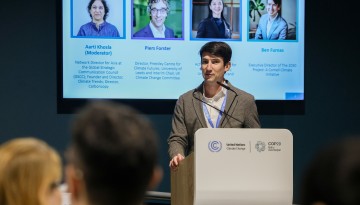
A small delegation of Cornell faculty, staff and students attended COP29 in Baku, Azerbaijan in November, where they advocated for cross-cutting partnerships to help countries achieve climate goals.
Faculty from the Department of Public & Ecosystem Health in the Cornell University College of Veterinary Medicine, in partnership with the University of Pretoria in South Africa, have received an NIH P20 grant to establish the Center for Transformative Infectious Disease Research on Climate, Health and Equity in a Changing Environment (C-CHANGE).
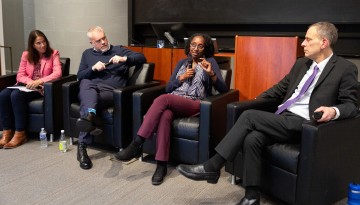
With a panel of Cornell experts, journalist Ann Marimow ’97 discussed the impact of recent Supreme Court decisions on ordinary Americans and the workings of American democracy.
To meet a growing need, Enfield Food Distribution is working with a multidisciplinary Cornell team to design and raise funds for a larger, more welcoming facility.
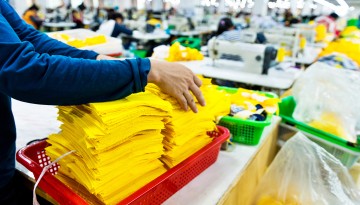
Companies in China that self-regulate to lessen harmful social practices – an increasingly prevalent strategy – are more likely to attract reputation-sensitive buyers and increase their exports to the Western world, new Cornell research finds.
Weill Cornell Medicine and the Cornell Jeb E. Brooks School of Public Policy have established the Cornell Health Policy Center to serve as the locus for health policy impact, research and training across Cornell.
Using the “beneficiary pays” principle for new power infrastructure will encourage investment in the grid without causing disputes over cost-sharing, new research shows.