Anthony P. Bretscher, professor of cell biology, and Catherine Lord, professor of psychology at Weill Cornell Medicine in New York City, join Barack Obama, Tom Hanks and 209 others as newly elected members of the American Academy of Arts and Sciences.
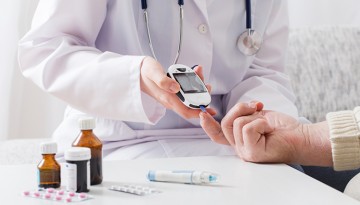
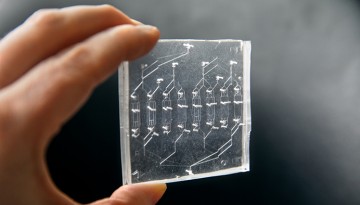
The lab of Minglin Ma, associate professor in the College of Agriculture and Life Sciences, will receive up to nearly $7 million from Novo Nordisk for research into a Type 1 diabetes implant device called NEED.
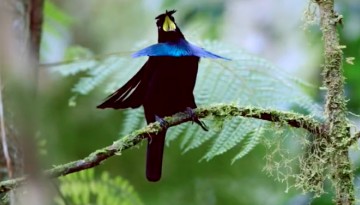
Robin Radcliffe, senior lecturer in wildlife and conservation medicine, won the 2018 George D. Levy Faculty Award in recognition of his work with community partners.
Cornell grape experts and food scientists are stepping up to give Concord growers new opportunities for their products and to diversify vineyard operations in New York
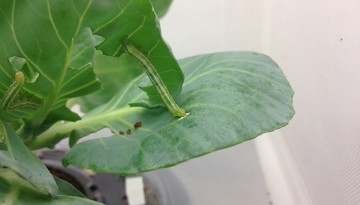
Landscapes that surround agricultural lands strongly influence the dynamics of beneficial insects as well as insect pests on farms, which in turn affect crop yields, a new study finds.
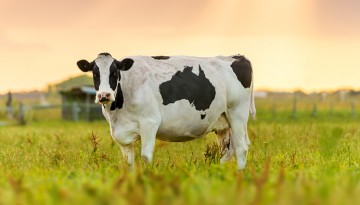
A new study shows the cost of forgoing antibiotics on dairy farms would average out to $61 per cow annually and is studying the impact such a decision would have.