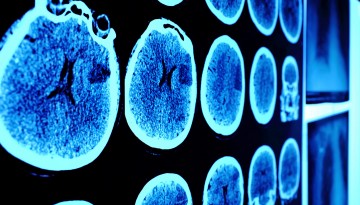
A new AI-based system for analyzing images taken over time can accurately detect changes and predict outcomes, which may be useful across a wide range of medical and scientific applications.
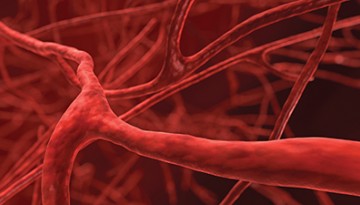
Adding engineered human blood vessel-forming cells to islet transplants boosted the survival of the insulin-producing cells and reversed diabetes in a preclinical study led by Weill Cornell Medicine investigators.
A multinational, multi-institutional study led by Weill Cornell Medicine investigators found little natural resistance to a new HIV therapy called lenacapavir in a population of patients in Uganda.
Weill Cornell Medicine researchers have found that intracranial hemorrhages, or “brain bleeds” caused by a ruptured blood vessel in the brain, doubles a person’s risk of developing dementia later in life.
Weill Cornell Medicine physician-scientists Dr. Niroshana Anandasabapathy and Dr. Rohit Chandwani have been elected members of the American Society for Clinical Investigation for 2025.
Cornell Tech, the groundbreaking campus of Cornell University dedicated to developing leaders and technologies for the AI era, has announced the opening of The Bridge, a new state-of-the-art flexible workspace for entrepreneurs, early and mid-stage ventures, and more established companies.
Blood clots form in response to signals from the lungs of cancer patients – not from other organ sites, as previously thought – according to a preclinical study by Weill Cornell Medicine, Memorial Sloan Kettering Cancer Center and University of California San Diego Health.
The resulting atlas advances basic research on the biology of the pancreas and could lead to new treatment strategies for diabetes and other pancreatic diseases.