Panelists at the “How to Leap into Entrepreneurship” event talked the importance of networking, using their Cornell connections and experiences and developing an ability to handle failure.
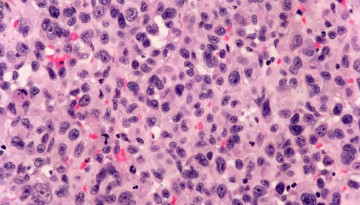
Before a cell commits fully to the process of dividing itself into two new cells, it may ensure the appropriateness of its commitment by staying for many hours – sometimes more than a day – in a reversible intermediate state, according to new research.
Michael I. Kotlikoff assumes the role of Cornell’s interim president following the retirement of Cornell’s 14th president, Martha E. Pollack. He will serve until 2026.
A study involving more than 3.6 million people who’d already received COVID vaccinations found that offering free Lyft rides to a vaccination site was no more enticing than simply reminding people of the importance of getting boosted.
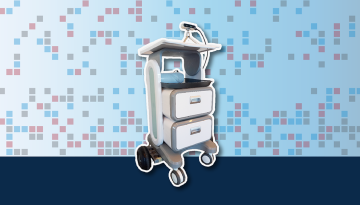
Researchers developed a robotic version of a crash cart – a rolling storage cabinet stocked with medical supplies – to see if it can help out in unpredictable health care settings, like emergency and operating rooms.
The inaugural Inclusion and Belonging Summit was held on June 12, 2024 and hosted at Weill Cornell Medicine, drawing nearly 40 employees from Cornell’s main campus in Ithaca, Cornell Tech, Weill Cornell Medicine and other higher education institutions to New York City.
Intimate partner violence is notoriously underreported and correctly diagnosed at hospitals only around a quarter of the time, but a new method provides a more realistic picture of which groups of women are most affected, even when their cases go unrecorded.
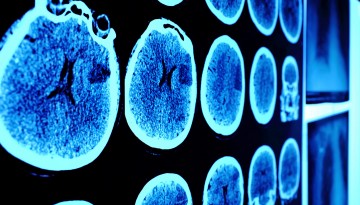
The transition to menopause is marked by a progressively higher density of estrogen receptors on brain cells, a measure that remains elevated in women up to their mid-60s, according to a new brain imaging study.
Portobello, a new driving simulator developed by researchers at Cornell Tech, blends virtual and mixed realities, enabling both drivers and passengers to see virtual objects overlaid in the real world.