Contributions unveiled tools for analyzing environmental and health interventions, matching images to architectural plans, and generating realistic 3D scenes with unprecedented efficiency.
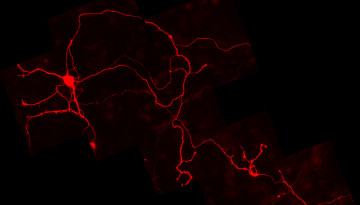
Dopamine neurons in a part of the brain called the midbrain may, with aging, be increasingly susceptible to a vicious spiral of decline driven by fuel shortages, according to a study led by Weill Cornell Medicine investigators.
More than 75 employees were honored in this year’s ceremony, representing Cornell’s Ithaca campus as well as Weill Cornell Medicine in New York City and Weill Cornell Medicine-Qatar.
Dr. Despina Siolas, assistant professor of medicine at Weill Cornell Medicine and an oncologist at NewYork-Presbyterian/Weill Cornell Medical Center, is working on personalizing treatment for pancreatic cancer, which is often diagnosed too late.
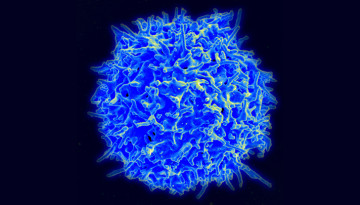
Chemotherapy activates a stress sensor in immune cells, which may help explain why many cancer patients experience debilitating pain as a side effect, according to Weill Cornell Medicine and Wake Forest University researchers.
The Cornell Health Policy Center organized its first Business Leaders Roundtable in New York City last week with the aim of engaging senior industry leaders from the health care sector with existing and upcoming research on topics like Medicare Advantage, Medicaid reform, and prescription drug pricing.