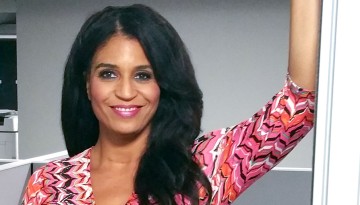
The Translator-Interpreter Program trains bilingual and multilingual students to serve as translators and interpreters for the community in both emergency and non-emergency situations. It has 45 active translators and interpreters, with 14 languages represented, and has worked with over 300 community agencies since its founding in 2000.
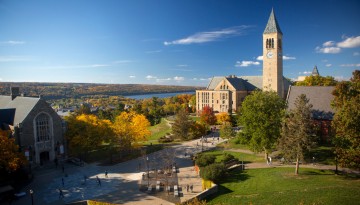
In its third application cycle shaped by COVID-19, Cornell has attracted record interest, admitting a talented, diverse Class of 2026 from a broader range of places than ever before.
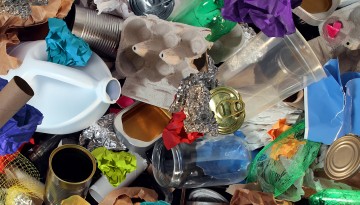
Researchers have discovered a new path for polystyrene, a type of plastic that makes up a third of landfill waste worldwide, that includes being upcycled into benzoic acid - a chemical with wide commercial demand.
Three top experts with an array of diplomatic, foreign policy and academic experiences will discuss emerging threats to U.S. foreign policy at an event organized by the Institute of Politics and Global Affairs at the Cornell Jeb E. Brooks School of Public Policy.
Harvard professor Raj Chetty will discuss his research on improving equality of opportunity in America at the annual Distinguished Lecture in the Social Sciences, April 18 in Statler Auditorium.
The last installment of The Peter ’69 and Marilyn ’69 Coors Conversation Series, "Deplatforming: Does Big Tech Protect or Prevent Public Discourse," will be held on April 14 at 6pm in the Law School Auditorium, and will feature Washington Post columnist Megan McArdle and Columbia Law School professor Jamal Greene.
Children’s strong drive to share attention has similar effects on language learning across cultures, finds the largest study of early vocabulary development in an Indigenous language.