The new Student Code, approved in Dec. 2020, focuses on making sure that the conduct process is objective, transparent, fair, and that students are an active participant throughout the process.
Algorithm uncertainties are just one of several challenges social media content creators face, according to new research led by Brooke Erin Duffy, associate professor of communication.
At its May 28 meeting, the Cornell Board of Trustees elected six new trustees to four-year terms who will join two recent alumni-elected trustees and two student-elected trustees; the new trustees’ terms begin July 1.
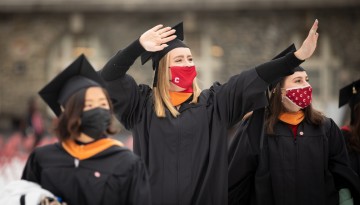
Across four separate Commencement ceremonies May 29 and 30, President Martha E. Pollack lauded members of the Class of 2021 for their educational success in the face of a global pandemic that upended their lives – and for diligently adhering to the public health guidelines that helped pave the way for an in-person graduation weekend.
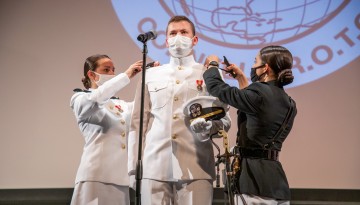
In a hybrid ceremony May 28 in Bailey Hall, 21 graduating members of Cornell’s Reserve Officers’ Training Corps received commissions as officers in the Army, Navy, Air Force and Marines.
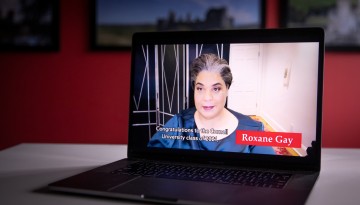
In her Convocation address, author and social commentator Roxane Gay challenged the Cornell Class of 2021 to be true to themselves and to their dreams, however wild they may be.
President Martha E. Pollack denounced recent national and local acts of anti-Semitism and called on the Cornell community to be guided by the university’s core values.